News
Inflammatory bowel disease (IBD) and Eye Problems
August 15, 2026
News


Inflammatory Bowel Disease (IBD) is a chronic condition primarily affecting the gastrointestinal tract. IBD is characterized by inflammation in the intestinal wall but their impact is not limited to the gut, all the contrary, a broad spectrum of extraintestinal manifestations (EIMs) is associated with IBD, affecting several organs and systems, such as the skin, musculoskeletal and hepatobiliary systems, and, not least, the eye. In the context of the eyes, IBD can manifest through various ocular complications including inflammation and irritation. These eye-related issues often arise due to the systemic inflammation that characterizes IBD, potentially leading to conditions such as uveitis, episcleritis, and scleritis.
Early detection and management are crucial, as these eye conditions can significantly affect vision and quality of life.
1.- Can Crohn’s Disease and/or Ulcerative Colitis Cause Eye Problems?
Yes, both Crohn’s Disease and Ulcerative Colitis, the two main types of Inflammatory Bowel Disease (IBD), can cause eye problems. Ocular complications are relatively common, with studies suggesting that up to 10% of individuals with IBD experience some form of eye involvement (ocular EIMs (O-EIMs)) throughout the course of the disease.
The gut-brain axis , a bidirectional communication system between the gastrointestinal tract and the central nervous system, plays a significant role in the functional gastrointestinal disorders. Dysfunction in this axis can influence eye health, through mechanisms involving stress, inflammation, and altered nervous system signaling.
- Stress and Eye Problems:
Chronic stress, common in patients with gastrointestinal disorders due to the unpredictable nature of their symptoms, can exacerbate conditions like dry eye syndrome. Research published in Nature Reviews Gastroenterology & Hepatology indicates that chronic stress affects tear production and ocular surface stability, increasing the risk of dry eye and other eye conditions.
- Neurological Involvement (Autonomic Nervous System, ANS):
Some gastrointestinal disorders are associated with altered autonomic nervous system function, which can impact ocular health. Studies have shown that dysregulation of the autonomic nervous system, which controls involuntary functions like tear secretion, can lead to issues such as dry eye and ocular surface disease. A study published in Gastroenterology explores this connection, highlighting how autonomic nervous system dysfunction affects various organ systems, including the eyes.

2.- What Eye Problems Does Crohn’s Cause?
Common eye problems associated with Crohn’s Disease include episcleritis, uveitis, scleritis, keratopathy, and dry eye syndrome.
These eye-conditions can arise not only from the immune dysregulation linked to Crohn’s but also as adverse effects of treatments such as corticosteroids, immunosuppressants, and biologics, which can exacerbate or contribute to eye complications.
Both the disease and its medications play significant roles in the development and severity of these ocular issues.
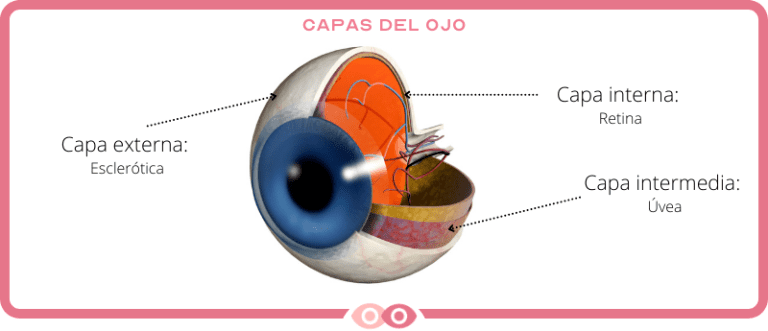
- Uveitis
The uveitis is inflammation of the uvea, the middle layer of the eye, which includes the iris, ciliary body, and choroid. This condition can cause redness, pain, light sensitivity, and potentially lead to vision loss if untreated. It is often linked to the underlying autoimmune response that drives the disease.
The immune system, which is already hyperactive in Crohn’s, may mistakenly attack the tissues of the eye. According to research published in The National Library of Medicine, uveitis can sometimes be the first sign of Crohn’s, even before gastrointestinal symptoms appear.
- Episcleritis
The episcleritis is inflammation of the episclera, the thin layer of tissue covering the white part of the eye. This condition is typically mild, causing redness and discomfort without serious vision impairment.
It is often associated with active disease flares. Research in Gastroenterology suggests that this inflammation may be driven by the same immune mechanisms that cause intestinal inflammation in Crohn’s.
- Scleritis
Scleritis involves deeper and more severe inflammation of the sclera, the white outer layer of the eye. This condition is painful and can lead to complications like vision loss if not properly managed.
Scleritis in Crohn’s Disease is thought to be due to the systemic nature of the inflammation and possibly the use of certain medications, such as TNF inhibitors, which are used to treat Crohn’s but have been linked to paradoxical inflammatory responses. Studies in The American Journal of Gastroenterology have highlighted the importance of promptly addressing scleritis in IBD patients to prevent long-term damage.
- Dry Eye Syndrome
Dry eye syndrome occurs when the eyes do not produce enough tears, or the tears evaporate too quickly, leading to dryness, irritation, and a gritty sensation and persistent discomfort. Crohn’s Disease can cause dry eye syndrome due to the inflammation that can affect the glands responsible for tear production.
Additionally, certain medications used to treat Crohn’s, such as corticosteroids, can reduce tear production. Studies in Ophthalmology have shown that patients with Crohn’s are at a higher risk of developing dry eye syndrome, particularly when the disease is active.

- Keratopathy
Keratopathy refers to a range of conditions affecting the cornea, often characterized by blurred vision, eye pain, redness, and sensitivity to light. According to the Journal of Ophthalmology in severe cases, corneal ulceration can lead to significant vision impairment.
In the context of Inflammatory Bowel Disease (IBD), keratopathy is less common but can occur due to systemic inflammation or as a side effect of medications used to manage IBD, such as corticosteroids.
Studies have shown that systemic inflammation in IBD can exacerbate ocular surface disease, including keratopathy, due to immune-mediated damage to the corneal tissue.
3.- Natural products and eye problems: recommendations
Effective management of gut health and stress can significantly improve eye-related issues in IBD by reducing systemic inflammation. By maintaining a balanced gut microbiome and managing stress levels, patients can help alleviate both gastrointestinal and eye symptoms, leading to enhanced overall health and well-being.
Certain supplements may be beneficial for people with IBD who experience disease-related eye problems and high levels of stress. For example, curcumin is recommended to support gut health or to help maintain gut balance. Coptis can also be used for these purposes. Ashwagandha, camomile or mimosa bark can help with stress management, etc.
All of these will help to reduce systemic inflammation and therefore IBD symptoms, such as ocular manifestations.

4.- Tips for caring for eye health in patients with IBD
Here are some tips and recommendations to help maintain eye health and address potential issues early:
- Protect your eyes from environmental factors that may irritate them.
- Follow the prescribed treatment correctly and discuss any possible side effects with your specialist.
- Keep systemic inflammation under control.
- Stay informed and take an active role in managing your condition.
- Be alert to any new eye symptoms. Consult an ophthalmologist when necessary.
- Have regular eye check-ups.
References:
- In, J., Foulke-Abel, J., Estes, M. et al. Human mini-guts: new insights into intestinal physiology and host–pathogen interactions. Nat Rev Gastroenterol Hepatol 13, 633–642 (2016). https://doi.org/10.1038/nrgastro.2016.142
- Mayer EA, Tillisch K, Gupta A. Gut/brain axis and the microbiota. J Clin Invest. 2015 Mar 2;125(3):926-38. doi: 10.1172/JCI76304. Epub 2015 Feb 17.
- Imam L, Haboubi HN. G-Eye: ocular manifestations of gastrointestinal disease. Frontline Gastroenterol. 2019 Mar 8;11(2):162-167. doi: 10.1136/flgastro-2018-101083.
- Pytrus W, Akutko K, Pytrus T, Turno-Kręcicka A. A Review of Ophthalmic Complications in Inflammatory Bowel Diseases. J Clin Med. 2022 Dec 15;11(24):7457. doi: 10.3390/jcm11247457.
- Troncoso LL, Biancardi AL, de Moraes HV Jr, Zaltman C. Ophthalmic manifestations in patients with inflammatory bowel disease: A review. World J Gastroenterol. 2017 Aug 28;23(32):5836-5848. doi: 10.3748/wjg.v23.i32.5836.
- Migliorisi G, Vella G, Dal Buono A, Gabbiadini R, Busacca A, Loy L, Bezzio C, Vinciguerra P, Armuzzi A. Ophthalmological Manifestations in Inflammatory Bowel Diseases: Keep an Eye on It. Cells. 2024 Jan 12;13(2):142. doi: 10.3390/cells13020142.
- Mihai IR, Burlui AM, Rezus II, Mihai C, Macovei LA, Cardoneanu A, Gavrilescu O, Dranga M, Rezus E. Inflammatory Bowel Disease as a Paradoxical Reaction to Anti-TNF-α Treatment-A Review. Life (Basel). 2023 Aug 20;13(8):1779. doi: 10.3390/life13081779.
- Cabrera-Aguas M, Khoo P, Watson SL. Infectious keratitis: A review. Clin Exp Ophthalmol. 2022 Jul;50(5):543-562. doi: 10.1111/ceo.14113. Epub 2022 Jun 3.
- Ko YT, Wu YM, Wu HL, Lai SC, Dai YX, Chen TJ, Cherng YG, Tai YH, Kao CY. Inflammatory bowel disease and the associated risk of dry eye and ocular surface injury: a nationwide matched cohort study. BMC Ophthalmol. 2023 Oct 13;23(1):415. doi: 10.1186/s12886-023-03165-z.
Contact UsFor more information
Contact Us