A simple guide for patients with Inflammatory Bowel Disease (IBD)
News
Common medications and their impact on the gut microbiota
November 6, 2026
News
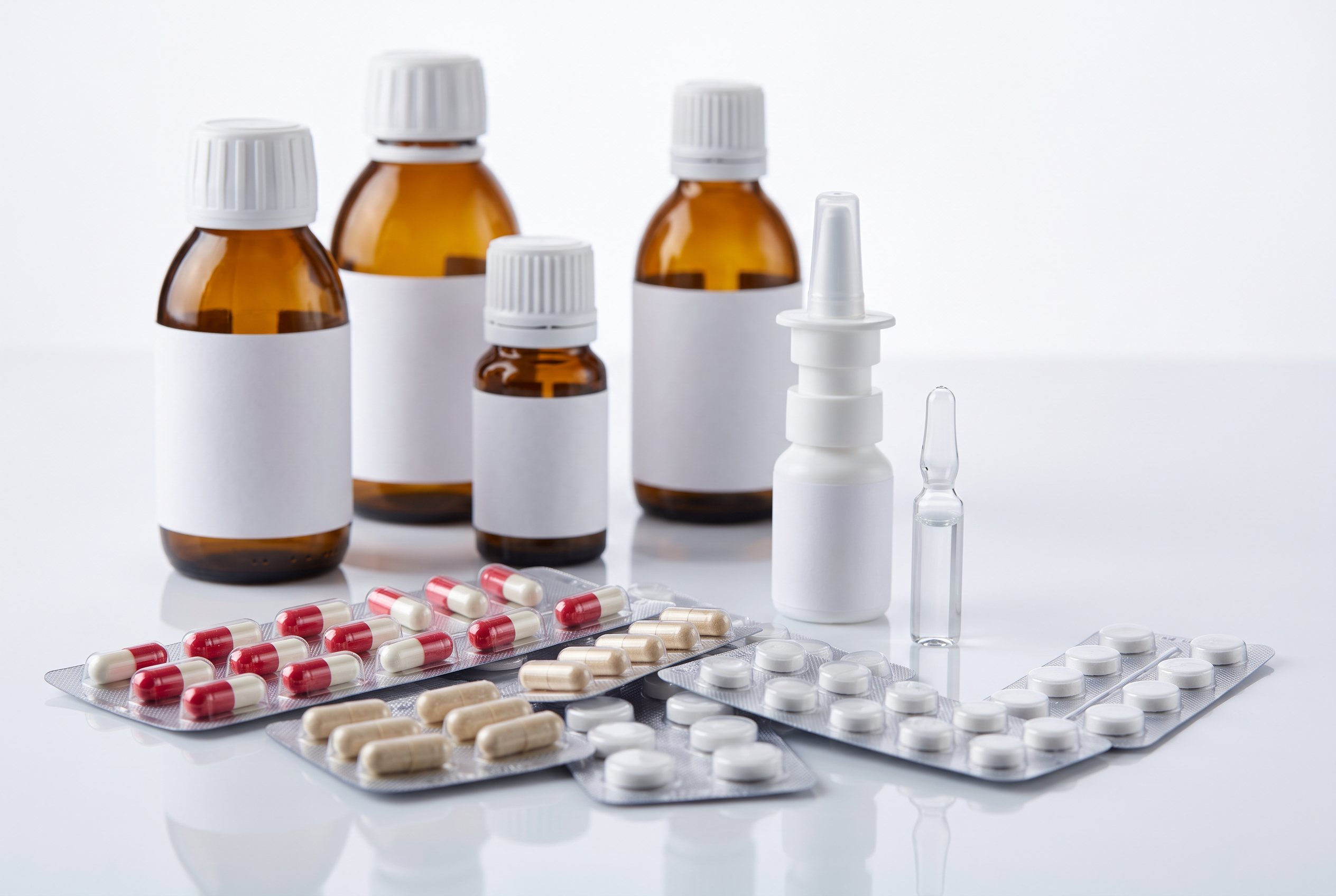
The gut microbiota (the community of bacteria, fungi and other microorganisms that live in our intestine) is part of our defense system and performs important functions: it helps us make use of certain nutrients, helps protect us against harmful microorganisms and takes part in regulating and balancing the immune system. In people with ulcerative colitis or Crohn’s disease, this balance is often disrupted (dysbiosis).
Many medications used every day —not only antibiotics— can change the composition of these bacteria. Some of these changes are temporary and resolve on their own; others can promote digestive symptoms or increase the risk of infections. Knowing about them helps you talk to your doctor and take better care of your gut.
However, the fact that a medication alters the microbiota does not necessarily mean that it is harmful or that you should stop taking it. What matters is weighing its benefits, its possible side effects and your clinical situation.
The most relevant drugs for patients with IBD
Below is a summary of the groups of medications that most often affect the microbiota and that are usually part of the treatment or daily life of people with IBD.
1. Antibiotics
What they do: They kill bacteria in a non-selective way. They reduce harmful bacteria but also beneficial ones, and they promote the growth of opportunistic microorganisms (such as Clostridioides difficile).
Why it matters in IBD: They can temporarily worsen the intestinal imbalance and increase the risk of diarrhea or bacterial overgrowth.
Practical tip: Use antibiotics only when they are truly necessary and, where possible, since not all antibiotics have the same effect on the microbiota, use narrow-spectrum ones. Do not take them on your own or use leftover treatments. Ask your doctor whether it is advisable to combine them with probiotics during or after treatment.
2. Immunosuppressants and corticosteroids
What they do: Drugs such as corticosteroids, tacrolimus, mycophenolate or other immunosuppressants change the composition of the microbiota. They can increase intestinal permeability and facilitate bacterial translocation.
Why it matters in IBD: They are mainstays of treatment for IBD and other autoimmune diseases. Their effect on the microbiota can influence the immune response and the risk of opportunistic infections.
Practical tip: Never stop your treatment on your own. Follow your specialist’s instructions and the recommended check-ups. Keep close follow-up of your IBD with your specialist and report any new digestive symptom.

3. Proton pump inhibitors (PPIs)
Examples: Omeprazole, pantoprazole, esomeprazole, etc.
What they do: They reduce stomach acid. This makes it easier for bacteria from the mouth to reach the intestine and changes some metabolic functions of the microbiota.
Why it matters in IBD: They are often used for reflux or to protect the stomach. Long-term use has been associated with changes in the microbiota and, in some studies, with a higher risk of infections.
Practical tip: Do not stop taking them on your own, especially if they were prescribed to treat a specific disease or to prevent complications from other medications. Review regularly with your doctor whether you still need the PPI in the long term. Sometimes the dose can be lowered or it can be taken only on demand.
4. Non-steroidal anti-inflammatory drugs (NSAIDs)
Examples: Ibuprofen, naproxen, diclofenac, etc.
What they do: They reduce beneficial bacteria such as Lactobacillus and Bifidobacterium. They increase the permeability of the intestinal wall (NSAID enteropathy).
Why it matters in IBD: They are generally not recommended in patients with IBD because they can worsen intestinal inflammation and trigger flares.
Practical tip: Avoid NSAIDs if possible. For pain or fever, ask your doctor about safer alternatives (for example, paracetamol in most cases).

5. Laxatives
What they do: They speed up intestinal transit. Osmotic laxatives (lactulose, polyethylene glycol) and stimulant laxatives can reduce the production of short-chain fatty acids (important for the health of the mucosa) and change the bacterial composition.
Practical tip: Use them only for as long as necessary and as directed. Prioritize dietary and lifestyle measures whenever possible.
Other medications that also have an influence
Although less common in the day-to-day life of IBD, these groups can also alter the microbiota:
- Antivirals, antifungals and anthelmintics: They eliminate toxic or harmful microorganisms, but they also affect the “good” ones.
- Metformin and some antidiabetic drugs: They can have mixed effects (some even favorable).
- Antipsychotics and statins: They have been associated with changes in bacterial diversity and, in some cases, with metabolic effects.
How can you tell if you have drug-induced dysbiosis?
The most common symptoms include:
- Bloating and gas
- Changes in bowel habits (diarrhea or constipation)
- Abdominal pain
- Tiredness or mood changes
When dysbiosis is caused by a medication, it usually improves naturally once the medication is stopped. However, with long or high-impact treatments, it may be helpful to support recovery.
What can you do to look after your microbiota?
- Do not self-medicate. Especially with antibiotics, NSAIDs or PPIs over long periods.
- Review long-term treatments. Ask whether each medication is still necessary, without stopping it on your own.
- Talk to your specialist. Mention all the medications you take (including over-the-counter ones) and ask whether any of them could be influencing your symptoms.
- Diet and lifestyle. A fiber-rich diet (if you tolerate it), regular exercise and good stress management promote a more diverse microbiota.
- Probiotics and prebiotics. They can help in some cases, but they are not a “universal fix”. They should be recommended on an individual basis.
- See your doctor if new symptoms appear. Diarrhea, abdominal pain or bloating can have different causes. They do not always indicate a flare, nor are they enough on their own to diagnose dysbiosis.
- Fecal microbiota transplantation (FMT). At present, its only established indication is recurrent C. difficile infection. In other situations it is still experimental.

Research on the microbiota is advancing very quickly, but there is still much that is unknown. Not all health problems can be solved by “fixing” the microbiota, and not all commercial microbiota tests have clear clinical value. Be wary of miracle promises and trust the evidence and your medical team.
In summary
Many common medications can temporarily alter the microbiota. In patients with IBD this is especially relevant because the intestine is already inflamed and the bacterial balance is often compromised.
The groups you should keep most in mind are: antibiotics, immunosuppressants/corticosteroids, proton pump inhibitors, NSAIDs and laxatives.
Do not stop an effective treatment for fear of altering your microbiota. The best strategy is to use medications rationally, keep an open dialogue with your specialist and take care of the factors you can control: diet, physical activity and emotional well-being.
References:
- Vich Vila A, et al. Impact of commonly used drugs on the composition and metabolic function of the gut microbiota. Nature Communications. 2020;11:362.
- Maier L, et al. Extensive impact of non-antibiotic drugs on human gut bacteria. Nature. 2018;555(7698):623-628.
- Jackson MA, et al. Gut microbiota associations with common diseases and prescription medications in a population-based cohort. Nature Communications. 2018;9:2655.
News
Related News

Contact UsFor more information
Contact Us