Ein einfacher Leitfaden für Patienten mit chronisch-entzündlichen Darmerkrankungen (CED)
Autor: Adacyte
News
Häufige Medikamente und ihre Auswirkungen auf die Darmmikrobiota
6. November 2026
Nachrichten

Die Darmmikrobiota (die Gesamtheit der Bakterien, Pilze und anderen Mikroorganismen, die in unserem Darm leben) ist Teil unseres Abwehrsystems und erfüllt wichtige Aufgaben: Sie hilft, bestimmte Nährstoffe zu verwerten, trägt zum Schutz vor schädlichen Mikroorganismen bei und ist an der Regulierung und dem Gleichgewicht des Immunsystems beteiligt. Bei Menschen mit Colitis ulcerosa oder Morbus Crohn ist dieses Gleichgewicht häufig gestört (Dysbiose).
Viele Medikamente, die täglich eingenommen werden – nicht nur Antibiotika –, können die Zusammensetzung dieser Bakterien verändern. Manche dieser Veränderungen sind vorübergehend und bilden sich von selbst zurück; andere können Verdauungsbeschwerden begünstigen oder das Infektionsrisiko erhöhen. Wenn Sie sie kennen, fällt es Ihnen leichter, mit Ihrem Arzt darüber zu sprechen und besser für Ihren Darm zu sorgen.
Dass ein Medikament die Mikrobiota verändert, bedeutet jedoch nicht unbedingt, dass es schädlich ist oder dass Sie es absetzen sollten. Wichtig ist, seinen Nutzen, seine möglichen Nebenwirkungen und Ihre klinische Situation abzuwägen.
Die wichtigsten Medikamente für Patienten mit CED
Im Folgenden sind die Medikamentengruppen zusammengefasst, die die Mikrobiota am häufigsten beeinflussen und die meist zur Behandlung oder zum Alltag von Menschen mit CED gehören.
1. Antibiotika
Was sie bewirken: Sie töten Bakterien wenig selektiv ab. Sie verringern schädliche, aber auch nützliche Bakterien und begünstigen das Wachstum opportunistischer Mikroorganismen (wie Clostridioides difficile).
Warum das bei CED wichtig ist: Sie können das Ungleichgewicht im Darm vorübergehend verstärken und das Risiko für Durchfall oder eine bakterielle Fehlbesiedlung erhöhen.
Praktischer Tipp: Nehmen Sie Antibiotika nur ein, wenn sie wirklich notwendig sind, und verwenden Sie nach Möglichkeit Schmalspektrum-Antibiotika, da nicht alle Antibiotika die gleiche Wirkung auf die Mikrobiota haben. Nehmen Sie sie nicht eigenmächtig ein und verwenden Sie keine Reste früherer Behandlungen. Fragen Sie Ihren Arzt, ob es sinnvoll ist, während oder nach der Behandlung Probiotika einzunehmen.
2. Immunsuppressiva und Kortikosteroide
Was sie bewirken: Medikamente wie Kortikosteroide, Tacrolimus, Mycophenolat oder andere Immunsuppressiva verändern die Zusammensetzung der Mikrobiota. Sie können die Durchlässigkeit des Darms erhöhen und die Translokation von Bakterien begünstigen.
Warum das bei CED wichtig ist: Sie sind tragende Säulen der Behandlung von CED und anderen Autoimmunerkrankungen. Ihre Wirkung auf die Mikrobiota kann die Immunantwort und das Risiko opportunistischer Infektionen beeinflussen.
Praktischer Tipp: Brechen Sie die Behandlung niemals eigenmächtig ab. Halten Sie sich an die Vorgaben Ihres Facharztes und an die empfohlenen Kontrollen. Lassen Sie Ihre CED engmaschig von ihm überwachen und teilen Sie ihm jedes neue Verdauungssymptom mit.

3. Protonenpumpenhemmer (PPI)
Beispiele: Omeprazol, Pantoprazol, Esomeprazol usw.
Was sie bewirken: Sie verringern die Magensäure. Dadurch gelangen Bakterien aus dem Mund leichter in den Darm, und einige Stoffwechselfunktionen der Mikrobiota verändern sich.
Warum das bei CED wichtig ist: Sie werden häufig bei Reflux oder zum Magenschutz eingesetzt. Die Langzeitanwendung wurde mit Veränderungen der Mikrobiota und in einigen Studien mit einem höheren Infektionsrisiko in Verbindung gebracht.
Praktischer Tipp: Setzen Sie sie nicht eigenmächtig ab, vor allem wenn sie Ihnen zur Behandlung einer bestimmten Erkrankung oder zur Vorbeugung von Komplikationen durch andere Medikamente verordnet wurden. Überprüfen Sie regelmäßig mit Ihrem Arzt, ob Sie den PPI langfristig noch benötigen. Manchmal kann die Dosis gesenkt oder das Medikament nur bei Bedarf eingenommen werden.
4. Nichtsteroidale Antirheumatika (NSAR)
Beispiele: Ibuprofen, Naproxen, Diclofenac usw.
Was sie bewirken: Sie verringern nützliche Bakterien wie Lactobacillus und Bifidobacterium. Sie erhöhen die Durchlässigkeit der Darmwand (NSAR-Enteropathie).
Warum das bei CED wichtig ist: Bei Patienten mit CED wird in der Regel von ihnen abgeraten, da sie die Darmentzündung verschlimmern und Schübe begünstigen können.
Praktischer Tipp: Vermeiden Sie NSAR nach Möglichkeit. Fragen Sie Ihren Arzt bei Schmerzen oder Fieber nach sichereren Alternativen (zum Beispiel in den meisten Fällen Paracetamol).
5. Abführmittel
Was sie bewirken: Sie beschleunigen die Darmpassage. Osmotische Abführmittel (Lactulose, Polyethylenglykol) und stimulierende Abführmittel können die Bildung kurzkettiger Fettsäuren (wichtig für die Gesundheit der Darmschleimhaut) verringern und die bakterielle Zusammensetzung verändern.
Praktischer Tipp: Verwenden Sie sie nur so lange wie nötig und nach ärztlicher Anweisung. Setzen Sie nach Möglichkeit vorrangig auf Ernährung und Lebensstil.
Weitere Medikamente mit Einfluss
Auch wenn sie im Alltag mit CED seltener vorkommen, können auch diese Gruppen die Mikrobiota verändern:
- Virostatika, Antimykotika und Anthelminthika: Sie beseitigen giftige oder schädliche Mikroorganismen, wirken sich aber auch auf die „guten“ aus.
- Metformin und einige Antidiabetika: Sie können gemischte Wirkungen haben (manche sogar günstige).
- Antipsychotika und Statine: Sie wurden mit Veränderungen der bakteriellen Vielfalt und in einigen Fällen mit Stoffwechseleffekten in Verbindung gebracht.
Woran erkennt man eine medikamentenbedingte Dysbiose?
Zu den häufigsten Symptomen gehören:
- Blähbauch und Blähungen
- Veränderungen des Stuhlgangs (Durchfall oder Verstopfung)
- Bauchschmerzen
- Müdigkeit oder Stimmungsschwankungen
Wenn die Dysbiose durch ein Medikament verursacht wird, bessert sie sich nach dem Absetzen meist von selbst. Bei langen oder stark wirksamen Behandlungen kann es jedoch sinnvoll sein, die Erholung zu unterstützen.
Was können Sie tun, um Ihre Mikrobiota zu schützen?
- Keine Selbstmedikation. Vor allem nicht mit Antibiotika, NSAR oder PPI über längere Zeit.
- Überprüfen Sie Langzeitbehandlungen. Fragen Sie, ob jedes Medikament noch notwendig ist, ohne es eigenmächtig abzusetzen.
- Sprechen Sie mit Ihrem Facharzt. Nennen Sie alle Medikamente, die Sie einnehmen (auch rezeptfreie), und fragen Sie, ob eines davon Ihre Beschwerden beeinflussen könnte.
- Ernährung und Lebensstil. Eine ballaststoffreiche Ernährung (sofern Sie sie vertragen), regelmäßige Bewegung und ein guter Umgang mit Stress fördern eine vielfältigere Mikrobiota.
- Probiotika und Präbiotika. Sie können in manchen Fällen helfen, sind aber keine „Universallösung“. Sie sollten individuell verordnet werden.
- Gehen Sie zum Arzt, wenn neue Symptome auftreten. Durchfall, Bauchschmerzen oder Blähungen können unterschiedliche Ursachen haben. Sie deuten nicht immer auf einen Schub hin und reichen allein nicht aus, um eine Dysbiose zu diagnostizieren.
- Fäkale Mikrobiota-Transplantation (FMT). Derzeit gibt es nur für die rezidivierende C.-difficile-Infektion eine gesicherte Indikation. In anderen Situationen ist sie weiterhin experimentell.

Die Forschung zur Mikrobiota schreitet sehr schnell voran, doch vieles ist noch unbekannt. Nicht alle Gesundheitsprobleme lassen sich durch eine „Reparatur“ der Mikrobiota lösen, und nicht alle kommerziellen Mikrobiota-Analysen haben einen klaren klinischen Nutzen. Seien Sie bei Wunderversprechen misstrauisch und vertrauen Sie auf die Evidenz und auf Ihr Behandlungsteam.
Zusammenfassung
Viele gängige Medikamente können die Mikrobiota vorübergehend verändern. Bei Patienten mit CED ist dies besonders relevant, da der Darm bereits entzündet und das bakterielle Gleichgewicht häufig beeinträchtigt ist.
Die Gruppen, die Sie am meisten im Blick behalten sollten, sind: Antibiotika, Immunsuppressiva/Kortikosteroide, Protonenpumpenhemmer, NSAR und Abführmittel.
Setzen Sie eine wirksame Behandlung nicht aus Angst ab, Ihre Mikrobiota zu verändern. Die beste Strategie ist, Medikamente vernünftig einzusetzen, offen mit Ihrem Facharzt zu sprechen und auf die Faktoren zu achten, die Sie selbst beeinflussen können: Ernährung, Bewegung und emotionales Wohlbefinden.
Literatur:
- Vich Vila A, et al. Impact of commonly used drugs on the composition and metabolic function of the gut microbiota. Nature Communications. 2020;11:362.
- Maier L, et al. Extensive impact of non-antibiotic drugs on human gut bacteria. Nature. 2018;555(7698):623-628.
- Jackson MA, et al. Gut microbiota associations with common diseases and prescription medications in a population-based cohort. Nature Communications. 2018;9:2655.
News
Chronisch-entzündliche Darmerkrankungen (CED) und Augenprobleme
24. September 2026
Nachrichten

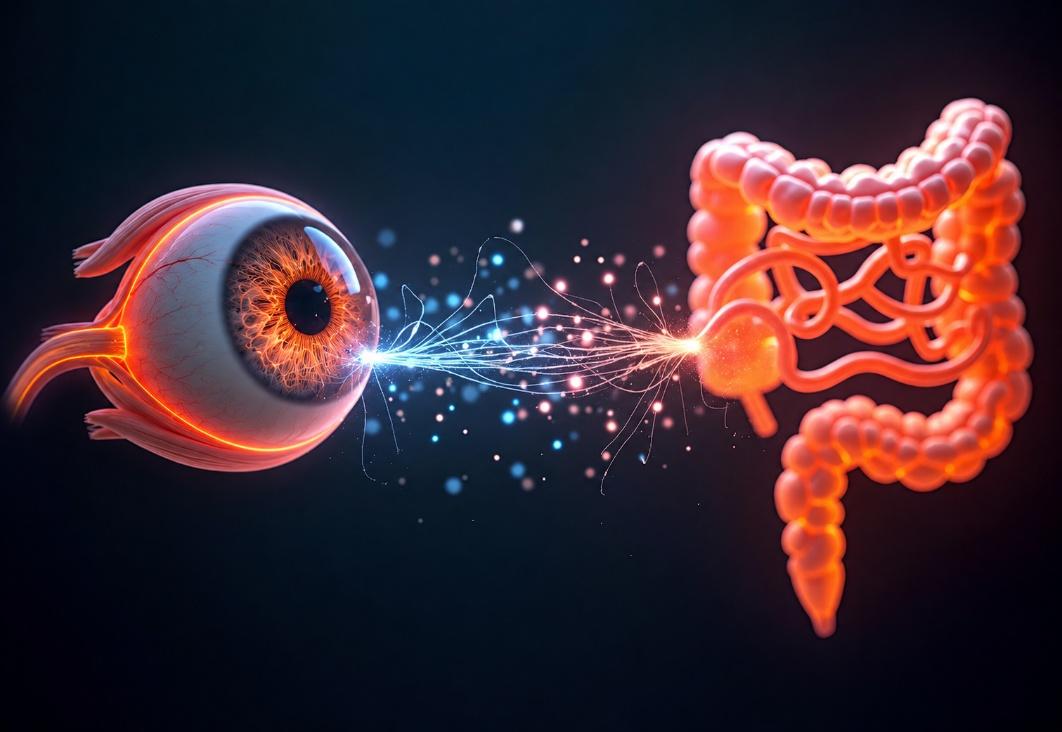
Chronisch-entzündliche Darmerkrankungen (CED) sind chronische Erkrankungen, die hauptsächlich den Magen-Darm-Trakt betreffen. CED sind durch Entzündungen der Darmwand gekennzeichnet, ihre Auswirkungen beschränken sich jedoch nicht auf den Darm. Vielmehr sind CED mit einem breiten Spektrum extraintestinaler Manifestationen (EIM) verbunden, die verschiedene Organe und Systeme betreffen können, darunter Haut, Bewegungsapparat, hepatobiliäres System und nicht zuletzt die Augen. Im Zusammenhang mit den Augen, können sich CED durch verschiedene Augenkomplikationen wie Entzündungen und Reizungen äußern. Diese Augenprobleme entstehen häufig aufgrund der für CED typischen systemischen Entzündung und können zu Erkrankungen wie Uveitis, Episkleritis und Skleritis.
Eine frühzeitige Erkennung und Behandlung sind entscheidend, da diese Augenerkrankungen das Sehvermögen und die Lebensqualität erheblich beeinträchtigen können.
1.- Können Morbus Crohn und/oder Colitis ulcerosa Augenprobleme verursachen?
Ja, sowohl Morbus Crohn als auch Colitis ulcerosa, die beiden wichtigsten Formen chronisch-entzündlicher Darmerkrankungen (CED), können Augenprobleme verursachen. Augenkomplikationen treten relativ häufig auf; Studien zufolge entwickeln bis zu 10 % der Menschen mit CED im Verlauf der Erkrankung irgendeine Form der Augenbeteiligung (okuläre extraintestinale Manifestationen, O-EIM).
Die Darm-Hirn-Achse, ein bidirektionales Kommunikationssystem zwischen dem Magen-Darm-Trakt und dem zentralen Nervensystem, spielt bei funktionellen Magen-Darm-Erkrankungen eine wichtige Rolle. Eine Störung dieser Achse kann die Augengesundheit über Mechanismen beeinflussen, an denen Stress, Entzündungen und veränderte Nervensignale beteiligt sind.
- Stress und Augenprobleme:
Chronischer Stress, der bei Patienten mit Magen-Darm-Erkrankungen aufgrund der Unvorhersehbarkeit der Symptome häufig vorkommt, kann Erkrankungen wie das Syndrom des trockenen Auges verschlimmern. In Nature Reviews Gastroenterology & Hepatology veröffentlichte Forschungsergebnisse zeigen, dass chronischer Stress die Tränenproduktion und die Stabilität der Augenoberfläche beeinträchtigt und dadurch das Risiko für trockene Augen und andere Augenerkrankungen erhöht.
- Neurologische Beteiligung (autonomes Nervensystem, ANS):
Einige Magen-Darm-Erkrankungen gehen mit einer veränderten Funktion des autonomen Nervensystems einher, was die Augengesundheit beeinträchtigen kann. Studien haben gezeigt, dass eine Fehlregulation des autonomen Nervensystems, das unwillkürliche Funktionen wie die Tränensekretion steuert, zu Problemen wie trockenen Augen und Erkrankungen der Augenoberfläche. Eine in Gastroenterology veröffentlichte Studie untersucht diesen Zusammenhang und zeigt, wie eine Funktionsstörung des autonomen Nervensystems verschiedene Organsysteme einschließlich der Augen beeinflusst.

2.- Welche Augenprobleme verursacht Morbus Crohn?
Zu den häufigen Augenproblemen im Zusammenhang mit Morbus Crohn gehören Episkleritis, Uveitis, Skleritis, Keratopathie und das Syndrom des trockenen Auges.
Diese Augenerkrankungen können nicht nur durch die mit Morbus Crohn verbundene Fehlregulation des Immunsystems entstehen, sondern auch als Nebenwirkungen von Behandlungen mit Kortikosteroiden, Immunsuppressiva und Biologika, die Augenkomplikationen verschlimmern oder dazu beitragen können.
Sowohl die Erkrankung selbst als auch die zu ihrer Behandlung eingesetzten Medikamente spielen eine wichtige Rolle bei der Entstehung und Schwere dieser Augenprobleme.
- Uveitis
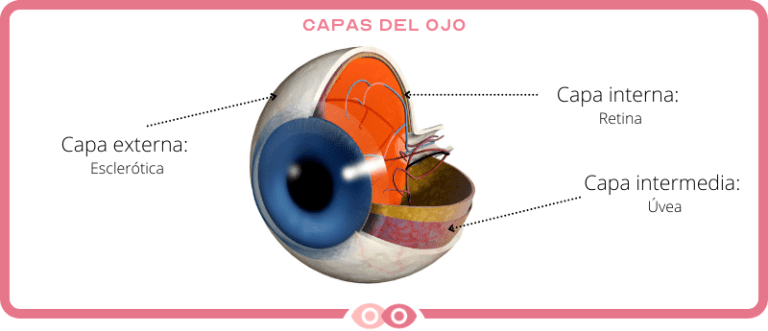
Uveitis ist eine Entzündung der Uvea, der mittleren Augenhaut, zu der Iris, Ziliarkörper und Aderhaut gehören. Diese Erkrankung kann Rötung, Schmerzen und Lichtempfindlichkeit verursachen und möglicherweise zu Sehverlust führen , wenn sie unbehandelt bleibt. Sie steht häufig mit der zugrunde liegenden Autoimmunreaktion in Verbindung, die die Erkrankung antreibt.
Das bei Morbus Crohn bereits überaktive Immunsystem kann irrtümlich das Gewebe des Auges angreifen. Laut in The National Library of Medicine, Uveitis kann manchmal das erste Anzeichen von Morbus Crohn sein, noch bevor gastrointestinale Symptome auftreten.
- Episkleritis
Episkleritis ist eine Entzündung der Episklera, der dünnen Gewebeschicht, die den weißen Teil des Auges bedeckt. Sie verläuft in der Regel mild und verursacht Rötung und Beschwerden ohne schwerwiegende Beeinträchtigung des Sehvermögens.
Sie tritt häufig im Zusammenhang mit aktiven Krankheitsschüben auf. Forschungsergebnisse in Gastroenterology deuten darauf hin, dass diese Entzündung durch dieselben Immunmechanismen verursacht werden könnte, die bei Morbus Crohn die Darmentzündung hervorrufen.
- Skleritis
Bei einer Skleritis kommt es zu einer tieferen und schwereren Entzündung der Sklera, der weißen äußeren Schicht des Auges. Diese Erkrankung ist schmerzhaft und kann zu Komplikationen wie Sehverlust führen , wenn sie nicht angemessen behandelt wird.
Es wird angenommen, dass Skleritis bei Morbus Crohn auf den systemischen Charakter der Entzündung und möglicherweise auf die Anwendung bestimmter Medikamente wie TNF-Hemmern, die zur Behandlung von Morbus Crohn eingesetzt werden, aber mit paradoxen Entzündungsreaktionen in Verbindung gebracht wurden, zurückzuführen ist. Studien in The American Journal of Gastroenterology haben hervorgehoben, wie wichtig eine rasche Behandlung der Skleritis bei CED-Patienten ist, um langfristige Schäden zu verhindern.
- Syndrom des trockenen Auges
Das Syndrom des trockenen Auges tritt auf, wenn die Augen nicht genügend Tränen produzieren oder die Tränen zu schnell verdunsten. Dies führt zu Trockenheit, Reizung, Fremdkörpergefühl und anhaltenden Beschwerden. Morbus Crohn kann aufgrund von Entzündungen, die die für die Tränenproduktion verantwortlichen Drüsen beeinträchtigen, ein trockenes Auge verursachen.
Darüber hinaus können bestimmte Medikamente zur Behandlung von Morbus Crohn, etwa Kortikosteroide, die Tränenproduktion verringern. Studien in Ophthalmology haben gezeigt, dass Patienten mit Morbus Crohn ein höheres Risiko für das Syndrom des trockenen Auges haben, insbesondere wenn die Erkrankung aktiv ist.

- Keratopathie
Keratopathie bezeichnet verschiedene Erkrankungen der Hornhaut, die häufig durch verschwommenes Sehen, Augenschmerzen, Rötung und Lichtempfindlichkeit gekennzeichnet sind. Laut dem Journal of Ophthalmology kann eine Hornhautulzeration in schweren Fällen zu einer erheblichen Sehbeeinträchtigung führen.
Im Zusammenhang mit chronisch-entzündlichen Darmerkrankungen (CED) ist Keratopathie seltener, kann jedoch aufgrund systemischer Entzündungen oder als Nebenwirkung von Medikamenten zur Behandlung von CED, beispielsweise Kortikosteroiden, auftreten.
Studien haben gezeigt, dass systemische Entzündungen bei CED Erkrankungen der Augenoberfläche einschließlich Keratopathie aufgrund immunvermittelter Schädigungen des Hornhautgewebes verschlimmern können.
3.- Naturprodukte und Augenprobleme: Empfehlungen
Ein wirksames Management der Darmgesundheit und von Stress kann Augenprobleme bei CED durch die Verringerung systemischer Entzündungen deutlich verbessern. Ein ausgewogenes Darmmikrobiom und die Kontrolle des Stressniveaus können dazu beitragen, sowohl gastrointestinale als auch okuläre Symptome zu lindern und die allgemeine Gesundheit und das Wohlbefinden zu verbessern.
Bestimmte Nahrungsergänzungsmittel können für Menschen mit CED, die krankheitsbedingte Augenprobleme und ein hohes Stressniveau haben, von Nutzen sein. Beispielsweise wird Curcumin zur Unterstützung der Darmgesundheit oder zur Aufrechterhaltung des Darmgleichgewichts empfohlen. Coptis kann ebenfalls zu diesen Zwecken eingesetzt werden. Ashwagandha, Kamille oder Mimosenrinde können unter anderem beim Stressmanagement helfen.
All diese Maßnahmen können dazu beitragen, systemische Entzündungen und damit CED-Symptome wie okuläre Manifestationen zu verringern.

4.- Tipps zur Pflege der Augengesundheit bei Patienten mit CED
Hier sind einige Tipps und Empfehlungen, um die Augengesundheit zu erhalten und mögliche Probleme frühzeitig anzugehen:
- Schützen Sie Ihre Augen vor Umweltfaktoren, die sie reizen können.
- Befolgen Sie die verordnete Behandlung korrekt und besprechen Sie mögliche Nebenwirkungen mit Ihrem Facharzt.
- Halten Sie systemische Entzündungen unter Kontrolle.
- Informieren Sie sich und übernehmen Sie eine aktive Rolle beim Umgang mit Ihrer Erkrankung.
- Achten Sie auf neue Augensymptome. Suchen Sie bei Bedarf einen Augenarzt auf.
- Lassen Sie Ihre Augen regelmäßig untersuchen.
Literatur:
- In, J., Foulke-Abel, J., Estes, M. et al. Human mini-guts: new insights into intestinal physiology and host–pathogen interactions. Nat Rev Gastroenterol Hepatol 13, 633–642 (2016). https://doi.org/10.1038/nrgastro.2016.142
- Mayer EA, Tillisch K, Gupta A. Gut/brain axis and the microbiota. J Clin Invest. 2015 Mar 2;125(3):926-38. doi: 10.1172/JCI76304. Epub 2015 Feb 17.
- Imam L, Haboubi HN. G-Eye: ocular manifestations of gastrointestinal disease. Frontline Gastroenterol. 2019 Mar 8;11(2):162-167. doi: 10.1136/flgastro-2018-101083.
- Pytrus W, Akutko K, Pytrus T, Turno-Kręcicka A. A Review of Ophthalmic Complications in Inflammatory Bowel Diseases. J Clin Med. 2022 Dec 15;11(24):7457. doi: 10.3390/jcm11247457.
- Troncoso LL, Biancardi AL, de Moraes HV Jr, Zaltman C. Ophthalmic manifestations in patients with inflammatory bowel disease: A review. World J Gastroenterol. 2017 Aug 28;23(32):5836-5848. doi: 10.3748/wjg.v23.i32.5836.
- Migliorisi G, Vella G, Dal Buono A, Gabbiadini R, Busacca A, Loy L, Bezzio C, Vinciguerra P, Armuzzi A. Ophthalmological Manifestations in Inflammatory Bowel Diseases: Keep an Eye on It. Cells. 2024 Jan 12;13(2):142. doi: 10.3390/cells13020142.
- Mihai IR, Burlui AM, Rezus II, Mihai C, Macovei LA, Cardoneanu A, Gavrilescu O, Dranga M, Rezus E. Inflammatory Bowel Disease as a Paradoxical Reaction to Anti-TNF-α Treatment-A Review. Life (Basel). 2023 Aug 20;13(8):1779. doi: 10.3390/life13081779.
- Cabrera-Aguas M, Khoo P, Watson SL. Infectious keratitis: A review. Clin Exp Ophthalmol. 2022 Jul;50(5):543-562. doi: 10.1111/ceo.14113. Epub 2022 Jun 3.
- Ko YT, Wu YM, Wu HL, Lai SC, Dai YX, Chen TJ, Cherng YG, Tai YH, Kao CY. Inflammatory bowel disease and the associated risk of dry eye and ocular surface injury: a nationwide matched cohort study. BMC Ophthalmol. 2023 Oct 13;23(1):415. doi: 10.1186/s12886-023-03165-z.
News
Colitis ulcerosa und Hauterkrankungen
15. Juni 2026
Nachrichten

Colitis ulcerosa und Hauterkrankungen: Den Zusammenhang zwischen Darm und Haut verstehen
Colitis ulcerosa (CU) ist eine chronisch-entzündliche Darmerkrankung (CED), die in erster Linie den Dickdarm betrifft, deren Auswirkungen jedoch nicht allein auf den Verdauungstrakt beschränkt sind. Aufgrund der systemischen Natur der Entzündung können viele Menschen mit CU Symptome außerhalb des Darms entwickeln, die als extraintestinale Manifestationen (EIMs) bezeichnet werden. Der wissenschaftlichen Literatur zufolge weisen bis zu 50 % der Patienten mit CED irgendeine Art von extraintestinaler Manifestation auf, wobei Haut- und Gelenkerkrankungen am häufigsten vorkommen.1,2

Viele Menschen sind überrascht zu erfahren, dass sich ein Schub einer Colitis ulcerosa auch auf der Haut durch Läsionen, Geschwüre, Rötungen oder anhaltende Hautausschläge manifestieren kann. Die Wissenschaft hat jedoch gezeigt, dass eine direkte Verbindung zwischen dem Darm und der Haut besteht, die als Darm-Haut-Achse bekannt ist.
Die Darm-Haut-Achse: Wie hängen die Darmmikrobiota und die Haut zusammen?
Neueste Forschungen zeigen, dass das Darmmikrobiom und das Immunsystem der Haut in einer ständigen und bidirektionalen Kommunikation stehen.3 Dieses Phänomen ist als Darm-Haut-Achse bekannt und erklärt, wie intestinale Ungleichgewichte Entzündungen der Haut auslösen können.4
Wenn das Gleichgewicht der Darmmikrobiota gestört ist, beispielsweise durch Stress, Antibiotika, Infektionen oder bestimmte Ernährungsmuster, kann das Immunsystem übermäßig aktiviert werden und eine systemische Entzündung hervorrufen.5 Diese Entzündung betrifft nicht nur den Dickdarm, sondern auch andere Organe, einschließlich der Haut.
Darüber hinaus zeigen neuere Studien, die in Nature Communications veröffentlicht wurden, dass bestimmte immunologische und mikrobielle Veränderungen gleichzeitig die Darmfunktion und die Hautimmunantwort verändern können, was die Vorstellung verstärkt, dass Darm und Haut als eng miteinander verbundene Organe funktionieren.6
Derselbe Mechanismus wird auch bei Nahrungsmittelallergien beobachtet. In diesen Fällen identifiziert das Immunsystem fälschlicherweise bestimmte Nahrungsmittelproteine als gefährlich und setzt Entzündungsmediatoren frei, die Verdauungs- und Hautsymptome wie Erbrechen, Juckreiz oder Hautausschläge hervorrufen können.4
Woran erkennt man, ob eine Hautläsion mit CED zusammenhängt?
Nicht alle Hautausschläge bei Menschen mit Colitis ulcerosa stehen im Zusammenhang mit einer chronisch-entzündlichen Darmerkrankung. Professor Shomron Ben-Horin, Leiter der Gastroenterologie am Sheba Medical Center und internationaler Experte für CED, erklärt, dass viele Patienten gewöhnliche oder vorübergehende Ausschläge mit extraintestinalen Manifestationen verwechseln.7
Laut Ben-Horin treffen auf die meisten mit CED assoziierten Hautläsionen gewöhnlich folgende Punkte zu:
- Sie fallen mit einem aktiven Schub der Darmerkrankung zusammen.
- Sie bestehen über mehrere Tage oder Wochen hinweg.
- Sie weisen eine deutliche Entzündung oder Schmerzen auf.
Im Gegensatz dazu steht ein leichter Ausschlag, der für ein oder zwei Tage auftritt und spontan wieder verschwindet, wahrscheinlich nicht im Zusammenhang mit Colitis ulcerosa.7
Wichtigste Hauterkrankungen im Zusammenhang mit Colitis ulcerosa 1,2,8
Erythema nodosum
Das Erythema nodosum ist eine der häufigsten Hautmanifestationen bei Patienten mit CU.9 Es ist durch das Auftreten rötlicher, erhabener, warmer und bei Berührung sowie beim Gehen schmerzhafter Knoten gekennzeichnet (eher schmerzhaft als stark juckend), die tastbar, empfindlich und von rot-violetter Farbe sind. Sie treten in der Regel beidseitig an den Beinen auf, können aber auch Oberschenkel, Arme, Gesäß oder Rumpf betreffen. Die Knoten messen gewöhnlich zwischen 1 und 5 cm und verändern im Laufe der Zeit ihre Farbe, wobei sie blauen Flecken ähnelnde Töne annehmen, bevor sie abklingen.

Zudem wird geschätzt, dass zwischen 5 % und 10 % der Patienten mit CU zu irgendeinem Zeitpunkt im Laufe ihrer Erkrankung davon betroffen sind.
In den meisten Fällen tritt ein Erythema nodosum während eines Darmschubs auf und bessert sich, wenn die Entzündung im Verdauungstrakt unter Kontrolle gebracht wird. Mehr als 80 % der Patienten sprechen gut auf eine Behandlung mit Kortikosteroiden oder Anti-TNF-Medikamenten an.7,9
Pyoderma gangraenosum
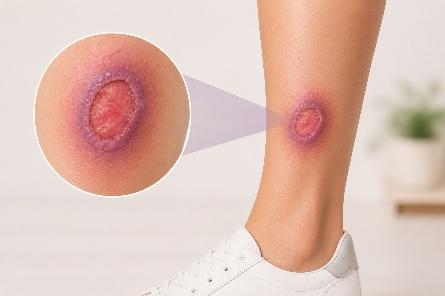
Das Pyoderma gangraenosum ist eine viel seltenere Komplikation, die weniger als 1 % der Patienten betrifft, aber erheblich schwerwiegender ist.
Diese Erkrankung verursacht schmerzhafte Hautgeschwüre, die schnell wachsen können.10 Sie beginnt oft als kleine Läsion, ähnlich einer Wunde oder Blase, und entwickelt sich zu einem tiefen Geschwür von mehreren Zentimetern Breite mit violetten oder bläulichen Rändern, häufig an den Beinen, obwohl sie an jeder Stelle des Körpers oder um chirurgische Wunden herum auftreten kann, an jeder Stelle des Körpers oder um chirurgische Eingriffsstellen herum. Die Läsionen können verschmelzen, wenn mehrere Geschwüre vorhanden sind, und hinterlassen nach dem Abheilen in der Regel Narben. Die Patienten können auch unter starken Schmerzen und in einigen Fällen unter Gelenkbeschwerden leiden.
Im Gegensatz zum Erythema nodosum fällt ein Pyoderma gangraenosum nicht immer mit einem Darmschub zusammen und kann nach kleineren Hauttraumata oder Operationen auftreten (ein Phänomen, das als Pathergie bekannt ist).
Professor Ben-Horin betont, dass dieser Zustand dringende ärztliche Hilfe erfordert, obwohl er in der Regel gut auf Kortikosteroide, Anti-TNF-Wirkstoffe oder Ciclosporin anspricht.7 Die Behandlung ist gewöhnlich wirksam, obwohl die Geschwüre Narben hinterlassen können und das Risiko besteht, dass an anderen Stellen neue Läsionen auftreten. Eine frühzeitige Erkennung und angemessene Behandlung sind essenziell, um Komplikationen zu reduzieren, Schmerzen zu lindern und die Lebensqualität des Patienten zu verbessern.
Vaskulitis
Vaskulitis ist eine Entzündung der Blutgefäße, die sich auf der Haut als rötliche oder purpurfarbene Läsionen unterschiedlicher Größe manifestieren kann.
Obwohl sie nicht als klassische extraintestinale Manifestation von CED gilt, haben Patienten mit Colitis ulcerosa eine höhere Prädisposition für die Entwicklung begleitender Autoimmunerkrankungen, einschließlich Vaskulitis.
Manchmal kann diese Reaktion mit viralen Infektionen oder sogar mit einigen Medikamenten zusammenhängen, die zur Behandlung von CED eingesetzt werden.
Die meisten Läsionen sind anfänglich nicht schmerzhaft, aber eine Vaskulitis kann zu schweren Komplikationen führen, wenn sie nicht ordnungsgemäß behandelt wird. Daher wird empfohlen, bei jeglichem Verdacht schnell einen Arzt oder die Notaufnahme aufzusuchen.
Wann sollte ich einen Arzt konsultieren? 7
Wenn Sie an Colitis ulcerosa leiden und das Auftreten von Folgendem bemerken:
- Pusteln oder schmerzhaften Läsionen.
- Hautgeschwüren.
- anhaltenden rötlichen Knoten.
- Läsionen, die sich während eines Darmschubs verschlimmern.
ist es wichtig, einen Dermatologen oder Gastroenterologen zu konsultieren.1,11
Nicht alle Hautausschläge stehen im Zusammenhang mit CED. Wenn eine Läsion jedoch nicht innerhalb von 1–3 Tagen verschwindet, sich fortschreitend verschlechtert oder von Schmerzen, Entzündungen oder Fieber begleitet wird, ist es ratsam, einen Arzt aufzusuchen.
Fazit
Colitis ulcerosa ist viel mehr als eine Darmerkrankung. Die Verbindung zwischen dem Darm, dem Immunsystem und der Haut zeigt, dass sich eine systemische Entzündung in verschiedenen Teilen des Körpers manifestieren kann. Zu verstehen, wie die Darm-Haut-Achse funktioniert, hilft nicht nur dabei, Hautmanifestationen früher zu erkennen, sondern auch die Bedeutung einer Kontrolle der Darmentzündung zu verstehen.
Die gute Nachricht ist, dass viele dieser Hauterkrankungen gut auf eine angemessene Behandlung und Kontrolle der Entzündungsaktivität der Erkrankung ansprechen. Eine frühzeitige Erkennung und die Konsultation von Fachpersonal können einen großen Unterschied für die Lebensqualität von Menschen mit CED machen.
News
Physical Exercise in IBD
21. April 2026
Nachrichten

Inflammatory Bowel Disease (IBD), including both Crohn’s disease and ulcerative colitis, can prevent us from maintaining an exercise routine due to the symptoms it causes: abdominal pain, fatigue, or diarrhea make normal body movement difficult, leading many patients to avoid any type of training.
However, research shows that moderate exercise can be beneficial.
The National Institute on Aging recommends four types of exercise to improve physical health: endurance, strength, balance, and flexibility. The key for patients with IBD is to find one or two types of exercise that meet these requirements and the recommended intensity level.
1.-Can I do strength training?
Strength training involves exercises where muscles work against progressive resistance using weights, bands, or body weight. It consists of exercises that improve muscle strength and endurance through resistance. For people with IBD, incorporating strength training can offer numerous benefits:
- Improve muscle mass, often reduced due to chronic inflammation or corticosteroid use.
- Increase metabolism, helping better weight control.
- Improve overall functional fitness.
- Strengthen the immune system, helping reduce inflammation or its severity.
- Reduce stress and anxiety, key factors in preventing inflammation.
- Provide an anti-inflammatory effect.
Regular movement and moderate exercise help reduce inflammation and improve gut microbiota diversity, strengthening the connection between the gut, brain, and immune system. A 2020 study found that exercise influences the gut microbiome (the bacteria living in the intestine), making it more diverse and healthier, leading to the release of fewer inflammatory agents both during and after exercise, which is key in regulating inflammation in patients with IBD.
Additionally, the gut-brain connection is strengthened with appropriate physical activity, increasing the amount and regulation of neurotransmitters that control how and when inflammation occurs. For the same reasons, exercise also improves mental health.
Moderate aerobic activity for at least 30 minutes, 3 to 5 times per week, has been shown to reduce inflammation, particularly in the colon and other areas of the gastrointestinal tract. Since patients with ulcerative colitis /UC) typically experience colon inflammation, this type of exercise is especially beneficial.
It is very important to start slowly, respect your body’s pace, and gradually increase intensity.
Your body may react differently depending on your current health status and symptoms. During flare-ups, it is best to reduce or stop exercise.
During remission phases, you can begin training 2 to 3 times per week, performing full-body exercises using light weights or resistance bands, focusing on mastering proper technique before increasing loads. It is important to rest 1 to 2 days between sessions.
Aumenta gradualmente el peso y la intensidad a medida que ganes fuerza y confianza. Asegúrate de realizar los ejercicios de fuerza con la técnica adecuada para evitar lesiones.

Patients with IBD should focus on exercises that strengthen the core: abdominal and lower back areas. A strong core supports the abdominal region, which can be essential for symptom control, body stability, posture improvement, and reduce abdominal pressure, thereby relieving some symptoms. Strength training with light to moderate weights is recommended for Crohn’s disease patients (CD) to strengthen the pelvic floor and core muscles, supporting digestive and excretory functions. Make sure to perform exercises with proper technique to avoid injuries.
2.-Low-impact exercises
Although strength training is beneficial, high-impact exercises may not always be suitable for people with IBD. You can start with low-impact strength exercises that minimize stress on the joints and digestive system.
Choose exercises that are gentle on your body and adaptable depending on how you feel. Use equipment such as resistance bands and dumbbells that allow controlled movements.
Controlled, low-impact exercises are essential to avoid digestive or joint discomfort and can provide effective muscle activation without excessive strain.
Some examples include:
- Bodyweight squats.
- Light dumbbell lifts.
- Resistance bands for arms and legs.
- Stationary cycling or walking.
3.-Listen to your body
For exercise to have a positive effect, it is essential to listen to your body. Your energy levels and symptoms may vary, so it is important to adapt your workouts accordingly. If you notice increased discomfort or fatigue, it may be a sign to reduce intensity or modify your routine.
In these cases, you can change exercises, shorten workout duration or frequency, or even skip a session if needed.
Keeping a training journal can help track your sessions, symptoms, and energy levels, allowing you to identify patterns and adjust your plan.

4.-Rest whenever you need
Did you know muscles grow during rest? Rest is essential, especially for people with IBD, whose bodies are constantly repairing tissues affected by inflammation.
Rest and recovery are fundamental components of any training routine. Strength training stresses muscles, so adequate recovery time is necessary. Overtraining can worsen symptoms.
Include 1 to 3 rest days per week and include active recovery activities in your routine, such as gentle stretching or yoga to promote relaxation and flexibility, or meditation and try to get 7 to 8 hours of sleep a day.

5.-Focus on nutrition and hydration
Whilst healthy people need to pay attention to their nutrition for a workout to be effective, patients with IBD must pay particular attention to their diet. Proper nutrition and hydration play a crucial role in supporting your strength training efforts and your general health. Try to follow a balanced diet:
- A high protein intake to repair and build muscle.
- Consume healthy fats to manage inflammation.
- Include oats, brown rice, or boiled potatoes as a sustained energy source.
Plan your meals around your training sessions. A very important tip is to eat a light snack around 30 to 60 minutes before training and once finished, have a meal high in protein and carbohydrates to replenish your energy
Staying hydrated is equally important, as dehydration can affect digestive health and physical performance.
6.-Consult professionals
Given the specific challenges of IBD, working with healthcare professionals and fitness experts can provide you with valuable information and personalized recommendations. A physiotherapist or trainer with experience of working with people with chronic conditions can help you design a programme tailored to your needs and limitations.
7.-Embrace flexibility and adaptability
Flexibility is key when it comes to managing IBD and doing strength training. Be prepared to adapt your workouts depending on how you feel each day. The goal is to maintain a consistent routine that supports your health without compromising your well-being.
Have a variety of exercises at your disposal that you can switch between depending on your symptoms and energy levels. This ensures you have options to keep moving even on the toughest days.
If you live with IBD, don’t let the condition stop you from enjoying the benefits of strength training. With the right approach and support, you can build strength, improve your fitness and empower yourself on your journey to wellbeing.
References
- Lazaridis, N., et al. (2020). Exercise-induced modulation of gut microbiota and systemic inflammation. Frontiers in Physiology.
- Valdes, A. M., et al. (2018). Role of the gut microbiota in nutrition and health. BMJ.
- National Institute on Aging. (n.d.). Exercise and Physical Activity: Your Everyday Guide. Pitocchelli-Schwartzman, S. (2024)
- IBD & Exercise. KDPT Fitness Blog.
- https://evinature.com/blog/gut-health/strength-training-for-grounded-gut-health-during-the-holidays/

News
IBD and Nutrition
15. Januar 2026
Nachrichten

Vitamins And Minerals you shouldn’t miss in your treatment

Inflammatory Bowel Disease (IBD) —which includes Crohn’s disease and ulcerative colitis— does not only affect the intestine: it can also have a major impact on the absorption of essential nutrients.
Intestinal inflammation, surgeries, restrictive diets, or certain medications can lead to vitamin and mineral deficiencies, that affect the patient’s overall well-being, energy levels, and quality of life.
Among these we highlight:
Essential Vitamins
VITAMIN B12: energy, nervous system, and red blood cells
Vitamin B12 is vital for red blood cell formation and for maintaining a healthy nervous system.It is absorbed in the terminal ileum, so patients with Crohn’s disease affecting this area or who have undergone ileal resection may develop significant deficiencies.
Recent studies show that 33–40 % of patients with ileal Crohn’s disease may develop B12 deficiency if not adequately supplemented.
Common symptoms of vitamin B12 deficiency:
- fatigue, paleness, tingling in hands or feet, difficulty concentrating.
Recommendation:
- monitor B12 levels regularly and
- supplement orally, sublingually, or intramuscularly depending on severity.

VITAMIN D: strong bones and inflammation control
Vitamin D regulates calcium metabolism, strengthens bones, and also has immunomodulatory effects.
In IBD, deficiency is common due to reduced intestinal absorption, reduced sun exposure and prolonged corticosteroid use
Consequences of vitamin D deficiency: possible osteopenia, osteoporosis, and —according to emerging evidence— increased intestinal inflammation.
A study in Gastroenterology showed that correcting vitamin D deficiency improves intestinal function and may reduce relapse risk.
Recommendation:
- Determine serum levels (25(OH)D) periodically.
- Maintain values above 30 ng/mL using vitamin D₃ supplements if needed, and
- Combine with calcium when bone risk is present.
VITAMINS A, E, and K: vision, immune system, and blood coagulation
These fat-soluble vitamins rely on proper fat absorption. Deficiencies are common in patients with chronic diarrhoea or malabsorption (due to inflammation or intestinal resection).
- Vitamin A: essential for vision and mucosal integrity.
- Vitamin E: antioxidant and neuroprotective.
- Vitamin K: involved in blood clotting.
Recommendation:
- Test levels of these vitamins in patients with active IBD or significant weight loss.
- Supplement under medical supervision if deficiency is confirmed.
Essential Minerals That Make a Difference
IRON
Iron deficiency is one of the most common complications in IBD, especially in ulcerative colitis, due to losses from bleeding and malabsorption.
Symptoms:
- fatigue, paleness, tachycardia, shortness of breath.
Recommended treatment:
- Oral iron may cause gastrointestinal discomfort; many patients benefit from intravenous (IV) iron, which is more effective and better tolerated. Always under medical supervision, adjusting doses according to ferritin and hemoglobin levels. ECCO Guidelines (2015) recommend IV iron when ferritin < 30 μg/L or in moderate–severe anaemia.
CALCIUM
Calcium is crucial for bones, muscles, and nerve transmission, and works hand-in-hand with vitamin D.Patients taking corticosteroids have a higher risk of osteoporosis.
Advice:
- Ensure a daily intake of 1000–1200 mg through dairy products, green vegetables, or supplements;
- Combine with vitamin D to enhance absorption.
ZINC
Zinc plays a role in healing, immunity, and tissue repair.Frequent diarrhea and intestinal inflammation reduce its absorption, leading to deficiency.
Consequences:
- hair loss, delayed healing, increased susceptibility to infection.
Studies in Clinical Nutrition show that zinc supplementation can improve intestinal permeability and reduce inflammation in IBD.
Recommendation:
- Monitor serum zinc levels and supplement if necessary (8–11 mg/day in adults, under medical supervision).

Some General Practical Advice
- Have regular blood tests to detect vitamin and mineral deficiencies.
- Follow a varied and balanced diet adapted by a dietitian specialized in IBD; and if this is restrictive, combine it with supplements.
- Take advantage of remission periods to improve your nutritional status.
- Avoid self-medication — excessive vitamins can be harmful.
- Talk to your doctor before taking supplements: each patient has different needs, and supplements should be personalized.
Conclusion
Nutrition is an essential part of IBD management. Caring for your gut means caring for every cell in your body. IBD treatment is not only about medication but also about knowledge, prevention, and smart nutrition.
Detecting and correcting vitamin and mineral deficiencies early on can make the difference between a patient with fatigue, frequent flares, and bone loss, and one with energy, immune balance, and a better quality of life.
References:
- Dignass, A. U., et al. (2015). European Consensus on the Diagnosis and Management of Iron Deficiency and Anaemia in Inflammatory Bowel Diseases. Journal of Crohn’s and Colitis, 9(3), 211–222.
- Pappa, H. M., et al. (2019). Vitamin D status in children and young adults with inflammatory bowel disease. Pediatrics, 118(5), 1950–1961. https://doi.org/10.1542/peds.2006-0904
- Battat, R., et al. (2014). Vitamin B12 deficiency in inflammatory bowel disease: prevalence, risk factors, evaluation, and management. Inflammatory Bowel Diseases, 20(6), 1120–1128.
- Yasuda, T., et al. (2021). Zinc supplementation modulates intestinal barrier function in inflammatory bowel disease. Clinical Nutrition, 40(10), 5487–5495.
- Crohn’s & Colitis Foundation. (2023). Diet and Nutrition: Supplementation. Disponible en: crohnscolitisfoundation.org.
- ECCO Guidelines. (2023). Nutrition in Inflammatory Bowel Disease. J Crohn’s Colitis, 17(1), 27–42.
- Martínez de Haro, L., et al. (2021). Nutrición en la Enfermedad Inflamatoria Intestinal. Saludigestivo. Recuperado de
Crohn’s & Colitis Foundation. (s.f.). Nutrition and Ulcerative Colitis (Spanish). Recuperado de https://www.crohnscolitisfoundation.org/sites/default/files/legacy/assets/pdfs/Diet-Nutrition-S panish.pdf
News
HOW TO NATURALLY RESTORE BENEFICIAL BACTERIA IN THE INTESTINAL FLORA
10. November 2025
Nachrichten

Imbalances in the intestinal flora have been linked to autoimmune diseases such as Crohn’s disease, multiple sclerosis, obesity, and heart disease.
The gut flora is a collection of bacteria known as microbiota. They are found in our intestines and play a crucial role in our digestion, as they break down the food we eat into smaller particles that are easier to digest and absorb, as well as being involved in the production of vitamins necessary for health.
Up to 2,000 different species of bacteria can be found in our digestive system, most of which are beneficial. However, around 100 species could represent a risk.
It is sometimes difficult to identify if something is wrong with our gut flora, but there are several symptoms that indicate if it is damaged.
Symptoms of damaged intestinal flora.
Intestinal flora can be damaged in many ways, including consumption of antibiotics, intake of too much saturated fat, toxins such as tobacco, lack of nutrients, foods with too much added sugar, spoiled foods, etc.
The most common symptoms of damaged intestinal flora are:
- – Abdominal bloating without cause and with the presence of gas.
- – Alternating periods of constipation and diarrhoea.
- – Intestinal cramps, abdominal pain and discomfort in the stomach.
- – Stools and gas with an increased foul odour.
- – Increased infections and illnesses.
When the intestinal flora is damaged, an imbalance between beneficial and harmful bacteria occurs. This imbalance between the microorganisms that make up the microbiota is known as dysbiosis. Dysbiosis causes inflammation and increased permeability of the intestinal barrier, which affects the immune system.
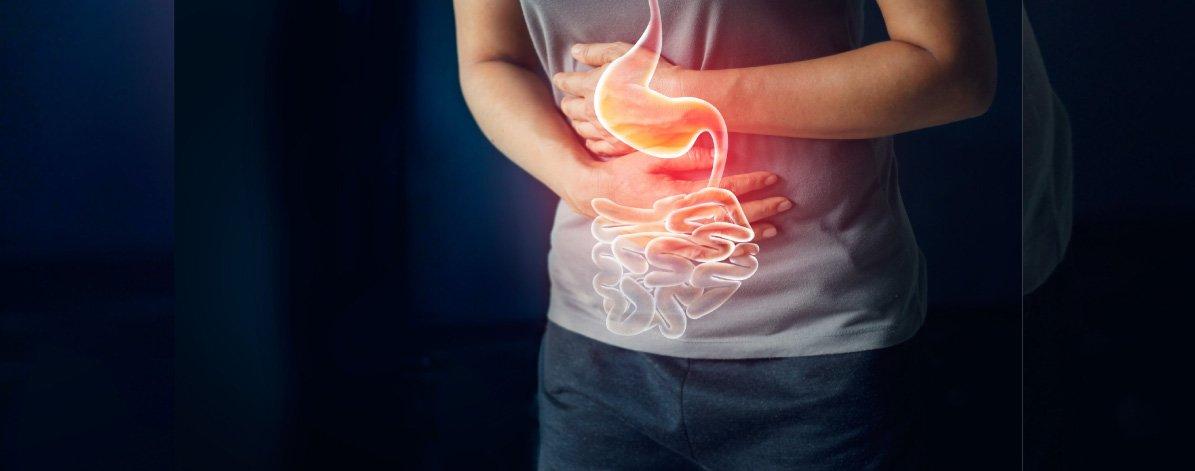
Foods for good gut health
A balanced diet is the basis for the proper formation and restoration of the microbiome or gut flora. It is crucial to maintain a varied diet that includes fruits, vegetables, legumes, and seeds. Foods high in fibre are allies in restoring and maintaining a healthy microbiota.
To restore the gut quickly, it is necessary to modify eating habits and diet.
The first thing you should do is:
- eliminate processed foods as they can quickly decrease the amount of beneficial bacteria in the gut.
- limit your intake of red meat, sugars, saturated fats, dairy products, pre-cooked, frozen and canned foods.
- It is also recommended to avoid alcohol, smoking and artificial sweeteners.
You can also use natural probiotics and consume prebiotic foods to achieve this.
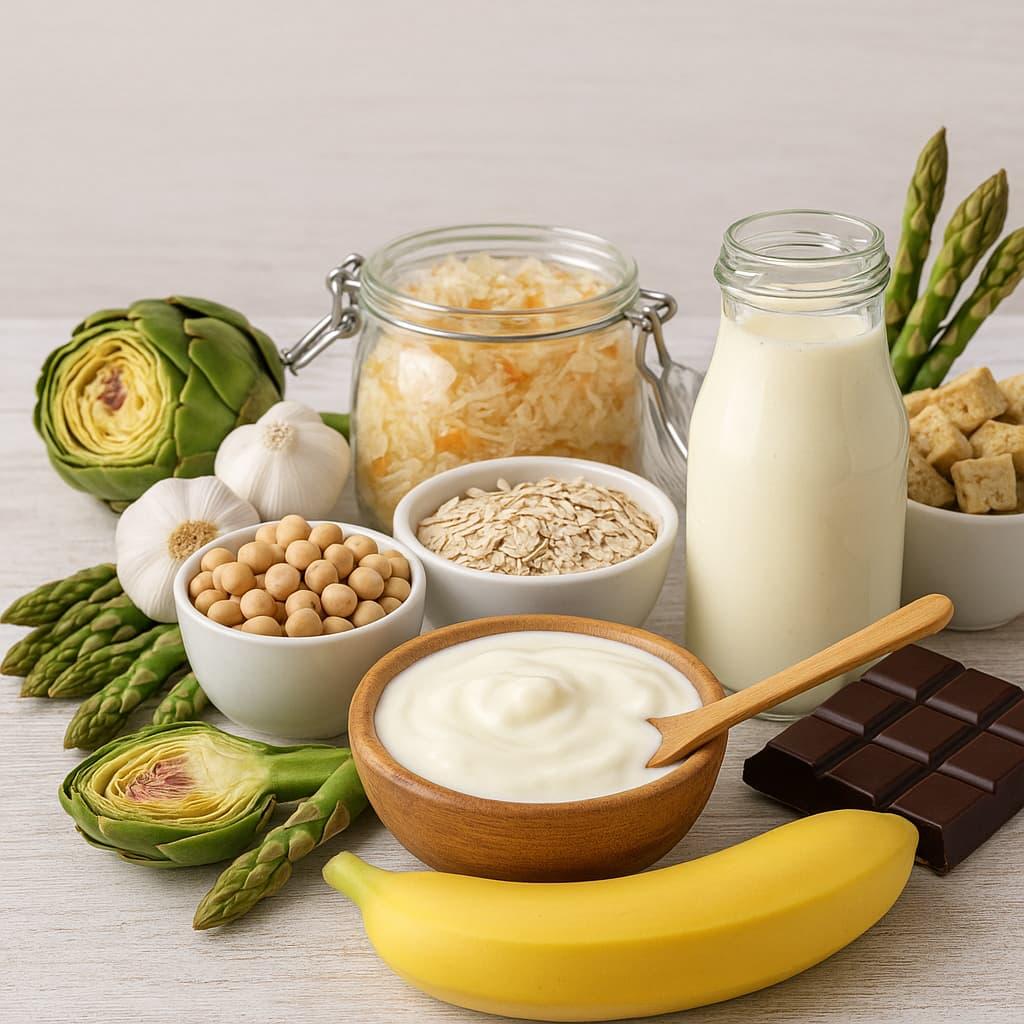
Prebiotic foods act as food for beneficial bacteria, promoting their growth and development and thus increasing their presence in the colon (e.g. lactobacilli and bifidobacteria).
Foods rich in prebiotics include:
- – bananas,
- – artichokes,
- – tomatoes,
- – whole wheat,
- – onions,
- – leeks
- -Oats and barley
- -Apples
- -Legumes (lentils, chickpeas)
Natural probiotics are living organisms (bacteria and yeasts) with anti-inflammatory and antioxidant properties that help repopulate the intestinal flora and strengthen beneficial bacteria, improving digestive health and helping to prevent intestinal inflammation. They are usually found in foods that have undergone a natural fermentation process.
Foods rich in probiotics include:
- – Yoghurt.
- – Kefir.
- – Kombucha.
- – Sauerkraut.
- – Pickles.
- – Miso.
- – Tempeh.
- – Kimchi.
- – Sourdough bread.
- Some cheese. made with raw, unpasteurized milk.
Animals, your gut flora’s best friends
Our immune system and microbiome need to be exposed to multiple bacteria, viruses and fungi to strengthen themselves, so spending a lot of time at home reduces or eliminates our contact with important microorganisms that our body needs. This is where animals play an important role.
Living with domestic animals or pets could have a beneficial effect by promoting greater microbial diversity and a more tolerant immune response, with potential immunological benefits at different stages of life.
Studies published in scientific journals show that pet owners have a more diverse microbiota compared to those who do not have animals at home and have a lower risk of developing IBD. Having pets increases the amount of beneficial bacteria, thus reducing the risk of developing allergies, asthma, atopy and obesity.
If your dog comes home covered in dirt and mud after a walk, don’t be alarmed, as it is bringing with it a plethora of microbes that strengthen our immune system from an early age onwards.
These are very recent studies, but some scientists already suspect that exposure to animal bacteria may influence the way our gut bacteria metabolize the neurotransmitters that regulate mood. In other words, spending time with animals has an antidepressant effect and also reduces stress and anxiety.

4. Conclusion
The more we study the human gut microbiome, the more evident it becomes that a healthy gut needs nature. It doesn’t matter whether it’s through the food we eat, our outdoor activities or our relationship with animals. Life in large cities or urban environments, which is the norm for the vast majority of people today, has a significant impact on our gut health: the stress that many people are under is linked to poor digestive health and inflammation.
The best thing is to learn from the past. For example, in prehistoric times, our ancestors ate soil as a supplement, as it was rich in minerals and trace elements and was taken as a detoxifying agent. It is true that today it is not necessary to do this, but it is advisable to get out into nature more, spend more time with your dog or other animals and, from time to time, get dirty in a puddle.
References:
- Fermented foods and gut health: what science is uncovering
- Mukherjee, A., Breselge, S., Dimidi, E. et al. Fermented foods and gastrointestinal health: underlying mechanisms. Nat Rev Gastroenterol Hepatol 21, 248–266 (2024). https://doi.org/10.1038/s41575-023-00869-x
- Maftei, N.-M.; Raileanu, C.R.; Balta, A.A.; Ambrose, L.; Boev, M.; Marin, D.B.; Lisa, E.L. The Potential Impact of Probiotics on Human Health: An Update on Their Health-Promoting Properties. Microorganisms 2024, 12, 234. https://doi.org/10.3390/microorganisms12020234
- Valentino V, Magliulo R, Farsi D, Cotter PD, O’Sullivan O, Ercolini D, De Filippis F. Fermented foods, their microbiome and its potential in boosting human health. Microb Biotechnol. 2024 Feb;17(2):e14428. doi: 10.1111/1751-7915.14428. PMID: 38393607; PMCID: PMC10886436
News
Related News

News
Gut microbiota and dysbiosis
9. September 2025
Nachrichten

The gut microbiota is an organ that, until now, has been ignored but is vital to our physical and mental health.
This group of microorganisms, mainly bacteria, viruses and fungi, live in our digestive tract and their functions are key in our body. It is an organ that we do not see or feel directly, but its balance, or lack of it, can influence everything from digestion and the immune system to mood, weight and risk of chronic disease.
1. What is the microbiota?
The gut microbiota is an ecosystem made up of all the microorganisms in the gut, especially in the colon. It is estimated that there are more than 40 trillion bacteria in our body, which can weigh between 1 and 2 kilos. We have more bacteria in our body than cells (30 trillion), most of them beneficial.
In general, beneficial or ‘good’ bacteria multiply frequently, leaving little room for harmful or ‘bad’ bacteria. Without the gut microbiota it would be very difficult to survive, because of the number of key functions they perform for the body.
Each person has a different composition of microbiota, which is formed from birth and is altered by our diet, lifestyle, the use of drugs and other environmental factors.

2. What happens if there is an imbalance?
When the so-called good bacteria decrease and the bad bacteria increase, dysbiosis occurs.
This complication is linked to a number of diseases such as:
- Inflammatory bowel disease (IBD): Crohn’s disease and ulcerative colitis.
- Irritable bowel syndrome (IBS).
- Obesity.
- Type 2 diabetes.
- Cardiovascular disorders.
- Depression and anxiety.
One example is the production of the substance TMAO (trimethylalanine-N-oxide), produced by certain micro-organisms when red meat or eggs are eaten. Excess of this substance can affect the accumulation of cholesterol in the arteries, thus increasing the risk of heart attack and chronic kidney disease.
3. How close are the gut and the brain?
It may seem that, because they have different functions, the gut and the brain have no relationship beyond the transmission of commands and information, but this is not the case. Both organs are linked by millions of neurons through the gut-brain axis.
The microbiota, in addition to digestion, also influences the production of neurotransmitters such as dopamine and serotonin, which are vital for regulating mood and sleep. In fact, up to 90% of serotonin is produced in the gut.
There is also believed to be a connection between the gut and memory and cognitive skills, hence the name ‘second brain’.
Research has found differences in the microbiota of people with anxiety, depression, chronic pain or autism compared to mentally healthy people. In addition, some probiotics may be beneficial in reducing mild depressive symptoms.
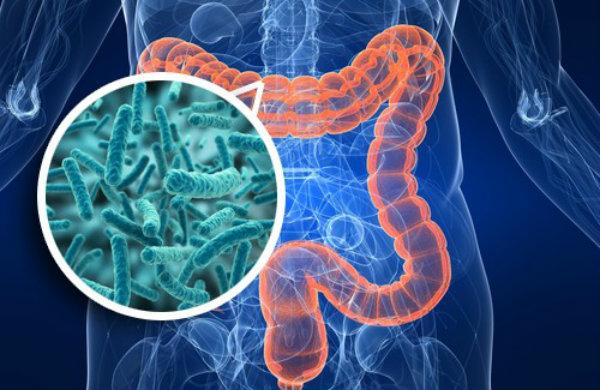
4. The relationship between the microbiota and the immune system
The immune system and microbiota are in constant communication. A healthy microbiota not only reinforces the intestinal barrier but also educates the immune system to act correctly.
In the case of dysbiosis, uncontrolled inflammations can occur, such as those that occur in autoimmune diseases. An imbalanced microbiota produces gas and chemicals that contribute to intestinal discomfort but can also increase the risk of leaky gut, allowing toxins into the bloodstream and triggering systemic inflammation.
5. Food and probiotics to improve microbiota
There are natural (and effective) ways to restore the balance of gut bacteria:
- With a diet rich in fiber: dominated by legumes, fruits, vegetables, oats and seeds, which feed the ‘good’ bacteria; and fermentable fiber, which produces fatty acids that protect the intestinal mucosa, prevent weight gain, diabetes and the risk of heart disease or cancer.
- Fermented foods: kefir, yoghurt, miso, kimchi, etc. provide natural probiotics.
- Prebiotics: the food of probiotics found in garlic, onions, bananas, leeks, asparagus, artichokes, soya, whole wheat and, in general, whole grains.
- Symbiotics: a combination of probiotics and prebiotics.
- Eat diets rich in plants and/or polyphenols.
- Reduce stress and get plenty of sleep.
- Moderate physical exercise.
- Take drugs such as antibiotics, proton pump inhibitors or anti-inflammatory drugs only when necessary.
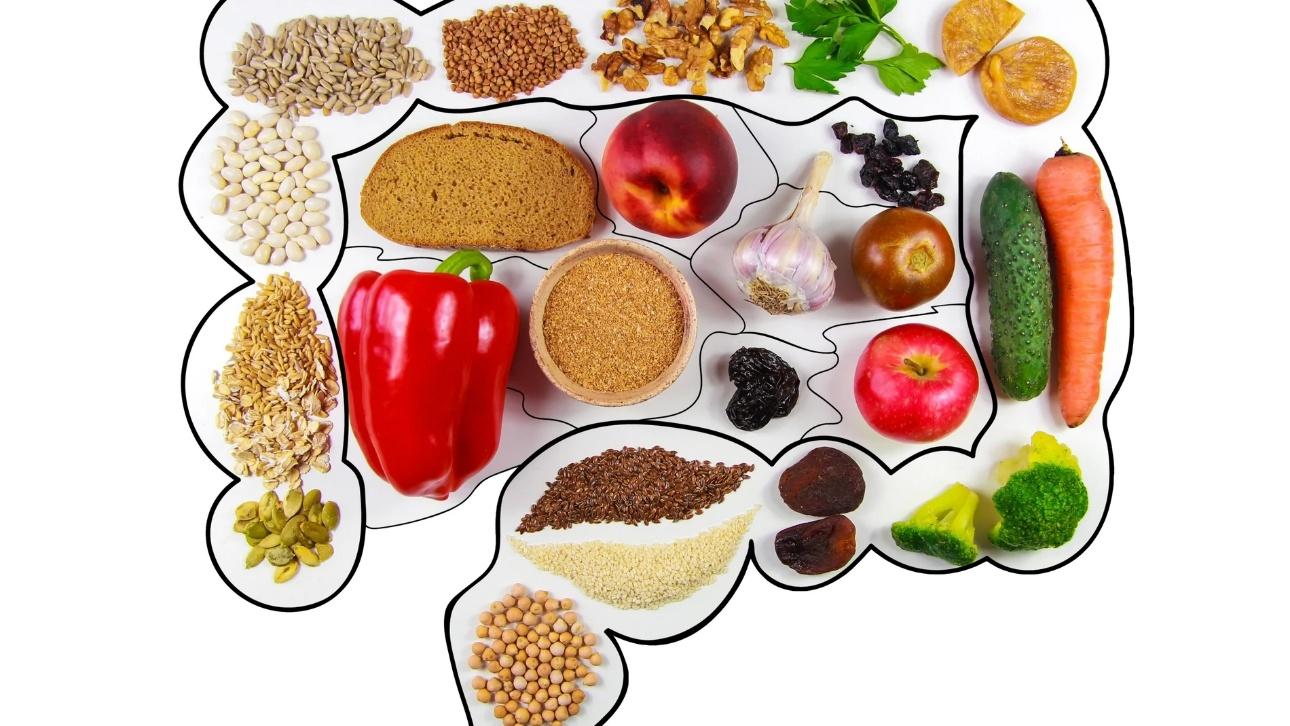
Probiotics are supplements with live ‘good’ bacteria. Not all work the same, but most have been shown to be beneficial in improving irritable bowel symptoms, reducing intestinal inflammation, strengthening the immune system (including alleviating allergy or lactose intolerance symptoms) and preventing diarrhoea after antibiotic use. As everyone’s microbiota is different, its effect is not the same for everyone.
In short, to improve our energy, our immune system, our skin… it is important to listen to our gut.
References:
- Clemente, J. C., Ursell, L. K., Parfrey, L. W., & Knight, R. (2012). The impact of the gut microbiota on human health: an integrative view. Cell, 148(6), 1258–1270. https://doi.org/10.1016/j.cell.2012.01.035
- Thursby, E., & Juge, N. (2017). Introduction to the human gut microbiota. Biochemical Journal, 474(11), 1823–1836. https://doi.org/10.1042/BCJ20160510
- Carding, S., Verbeke, K., Vipond, D. T., Corfe, B. M., & Owen, L. J. (2015). Dysbiosis of the gut microbiota in disease. Microbial Ecology in Health and Disease, 26(1), 26191. https://doi.org/10.3402/mehd.v26.26191
- Cryan, J. F., et al. (2019). The microbiota-gut-brain axis. Physiological Reviews, 99(4), 1877–2013. https://doi.org/10.1152/physrev.00018.2018
- Valdes, A. M., Walter, J., Segal, E., & Spector, T. D. (2018). Role of the gut microbiota in nutrition and health. BMJ, 361, k2179. https://doi.org/10.1136/bmj.k2179
- Arboleya S, et al. Gut Bifidobacteria Populations in Human Health and Aging. Front Microbiol. 2016 Aug 19;7:1204.
- O’Mahony SM, et al. Serotonin, tryptophan metabolism and the brain-gut-microbiome axis. Behav Brain Res. 2015 Jan 15;277:32-48.
- Cardona F, et al. Benefits of polyphenols on gut microbiota and implications in human health. J Nutr Biochem. 2013 Aug;24(8):1415-22.
News
SEXUALITY AND IBD
29. Juli 2025
Nachrichten

Sexuality is a central aspect of being human as it encompasses not only sex, but also gender identities and roles, eroticism, pleasure, intimacy, reproduction and sexual orientation.
Inflammatory Bowel Disease (IBD) often impairs the sexual function of patients suffering from IBD. This means their sexual health. Sexual health is understood as a state of physical, mental and social well-being in relation to sexuality. All chronic diseases can cause disturbances in sexual health; it is not a problem unique to IBD.
Some studies indicate that IBD affects sexuality in the following ways.
– In 50% of patients there is a decrease in libido.
– In 45% it prevents them from continuing intimate relationships.
– 50% of women and 33% of men report a worsening of sexual activity.
– 75% of women and 51% of men see changes in their body image. This is also more prevalent in patients who have had surgery (81%) versus non-surgical patients (51%).
– 67% of patients in active IBD and 19% in remission choose abstinence.
Despite these data, only 20% of physicians (according to patients) address body image and sexuality issues in consultation with their IBD patients, with patients themselves proactively raising the issue.
Both health professionals and patients do not feel comfortable talking about sexuality, as it is a taboo subject because it belongs to the ‘intimate life’ of the patient. However, it is very important to do a communication exercise, rejecting stereotypes related to sexuality, broadening knowledge about the impact of IBD on the sexual life of IBD patients and training communication strategies and skills.
Factors that may affect the sex life of patients with IBD
PHYSICAL FACTORS
The active presence of the disease, i.e. flares, is one of the key factors affecting sex life. Fatigue, abdominal pain or diarrhoea are common factors affecting general health and the desire and enjoyment of sexual activity.
In diseases such as Crohn’s disease or perianal conditions (such as fistulas or fissures), they can cause pain.
Body image also plays an important role, as IBD patients may experience alterations in body perception due to scarring, weight changes or the side effects of treatments. All this creates anxiety, embarrassment and lowers the patient’s self-esteem.
A possible solution would be to surround oneself with a good support network, practice self-care and focus on one’s positive qualities.
PSYCHOLOGICAL FACTORS
In patients with IBD, depression, anxiety and low self-esteem are the most common factors that have a major impact on sexual function.
Between 60-80% of patients experience episodes of anxiety and/or depression during flares, and 29-35% in periods of remission.
The solution is to identify negative thoughts and replace them with positive thoughts to help combat these moods. If the symptoms are severe and prolonged, it is advisable to seek professional help from a psychologist.
Can medication affect my sex life?
25% of erectile dysfunction cases are associated with medecine use.

Yes, drugs used to treat IBD can have adverse effects that affect sexual function.
Corticosteroids are a good example, causing mood swings, weight gain and cosmetic changes that affect body image and thus sexuality.
Sulphasalazine (salicylates or 5-ASA) can affect male fertility, but this effect is reversible when the drug is stopped.
Decreased libido induced by antidepressants, beta-blockers, opiate analgesics, depressive syndrome and/or anxiety.
Despite this, the improvement in IBD symptoms due to treatment often has a positive impact on sexual function by counteracting the above
Surgery and ostomies and their effects on sex life

Although surgery improves a patient’s health, due to remission of flare-ups and elimination of complications such as abscesses and fistulas, it can alter the patient’s body image and, consequently, self-esteem.
Removal of the rectum can very rarely affect the pelvic nerves, which may cause erectile dysfunction in men or lubrication problems and dyspareunia (painful intercourse) in women.
In the case of an ostomy, patients may face difficulties with self-esteem and, above all, concerns about leakage of faecal material during intercourse. To minimize these concerns, it is advisable to empty the ostomy pouch before sexual intercourse.
The key in both cases, surgery and ostomy, is communication with the doctor and with the partner, considering, for example, the use of special underwear or girdles to hide the stoma if that is what the patient needs.
You might find it helpful to connect with other patients who have undergone similar procedures and their experiences with sexual activity after recovery.
IBD sexuality and adolescence

Adolescence is a phase in the evolutionary cycle of our lives in which self-concept and personal identity develop. It is often a time of fragility and emotional disturbances which, if accompanied by a diagnosis of IBD, can have a significant impact on self-esteem.
Some of the difficulties that adolescents may encounter are:
- problems in initiating new friendships, more aware of the problems and consequences of IBD,
- fear of rejection or compromising situations,
- changes in body image…
Talking to people you trust (friends), carrying a change of clothes and learning to manage your activities according to the level of energy you have each day can help improve your self-confidence and well-being.
Ultimately, although sexual disturbances associated with IBD are common, sex and sexual relationships are an important part of health, and it is possible to maintain a satisfying sex life with IBD with appropriate treatment and attention to the psychological effects. Open communication, both with partners and medical professionals, is a key factor in resolving and addressing IBD-related sexual problems as early as possible.
References:
- https://www.crohnscolitisfoundation.org/sites/default/files/legacy/assets/pdfs/ibdsexuality.pdf
- EducaInflamatoria. (s.f.). Vida sexual. https://educainflamatoria.com/vida-sexual/
News
SUN EXPOSURE AND IBD
14. Juli 2025
Nachrichten

With winter behind us and summer approaching, patients with Inflammatory Bowel Disease (IBD) are wondering whether it is a good idea to go out in the sun while taking medication.
It should be borne in mind that most of the vitamin D in our bodies comes from ultraviolet radiation from the sun, followed by the intake of vitamin D-rich foods. In Crohn’s disease, for example, 60-75% of patients are vitamin D deficient. In the case of Ulcerative Colitis, 55% of patients are deficient.
The entire population should always take preventive measures to avoid damage from exposure to the sun, but, in addition, people who are being treated with certain drugs should take into account the characteristics of these drugs, as their properties or effects may be altered.
This is why IBD patients, in particular, should avoid overexposure to the sun, while still achieving appropriate vitamin D levels.
-
Vitamin D and IBD
Vitamin D promotes the absorption of calcium, a mineral that is very important for maintaining healthy bone structure. That’s why adequate sun exposure helps our body to provide itself with the necessary levels of vitamin D. In addition, vitamin D may have beneficial effects on the progression of IBD.
Vitamin D not only regulates calcium metabolism, but also plays a crucial role in the modulation of the immune system with potential beneficial effects on the course of IBD. Through its anti-inflammatory, immunoregulatory and epithelial actions, it helps to control disease activity and improve clinical outcomes.
In IBD, vitamin D plays a number of roles, including:
- Immunoregulation: Vitamin D reduces the activity of pro-inflammatory T cells (Th1 and Th17), and promotes regulatory T cells (Treg), which help maintain immune tolerance in the gut and control inflammation.
- Reduction of inflammatory substances or cytokines: Inhibits the production of TNF-α, IL-6 and IL-17, which are elevated in active IBD flares.
- Strengthening the intestinal barrier: Improves intestinal epithelial integrity by increasing the expression of cell-binding proteins, thus preventing the entry of bacteria and antigens that exacerbate inflammation.
Clinical studies have found that adequate levels of vitamin D are associated with:
- Reduced clinical disease activity.
- Lower relapse rate in patients in remission.
- Reduced need for hospitalisation and surgery.
- Improved patient-reported quality of life.
For example, a randomised clinical trial published in the Journal of Crohn’s and Colitis (2013) showed that vitamin D3 supplementation (up to 5,000 IU/day) in patients with Crohn’s disease helped maintain remission and reduce inflammatory markers.
It is recommended to maintain serum 25(OH)D levels above 30 ng/mL in IBD patients. Therefore, oral supplementation is often necessary, especially in winter or in patients with impaired absorption or low sun exposure.

-
IBD medications and sun exposure
Some studies have suggested that increased sun exposure may be associated with a lower risk of developing Crohn’s disease. In particular, a prospective study in France found that women with higher sun exposure had a significantly lower risk of developing Crohn’s disease, although the same association with ulcerative colitis was not observed.
However, some IBD drugs are photosensitisers. This means that they can produce photosensitivity reactions, resulting in abnormal skin damage caused by the interaction between a photosensitising chemical agent (some drugs) and solar radiation.
Ultraviolet (UV) radiation is highly associated with the development of skin tumours and photosensitivity reactions to drugs. In the case of tumours, radiation accumulates over the course of our lives in what is called the skin memory. The risk of skin tumours increases in patients treated with immunosuppressive drugs, especially those treated with thiopurines.
-
Sun prevention measures.
How to hydrate your skin after sun exposure | Beauty
- Avoid exposure to the sun at peak hours (from 12:00 to 16:00), as this is the time when there is maximum UV radiation.
- Wear clothing to protect yourself from the sun such as hats, T-shirts or sunglasses.
- Avoid the famous tanning booths.
- Apply creams with a very high protection factor (preferably 50+) and with UVA and UVB filters.
- For sunscreens to be effective you should use enough sunscreen to cover the entire surface of the body.

It is important to remember areas such as the ears or scalp.
- Apply the creams on dry skin, as the water droplets have a magnifying effect, thus increasing the risk of burns.
- Apply sunscreen 30 minutes before sun exposure.
- Replenish the sunscreen after each prolonged bath or every two hours.
- Use water-resistant creams and, if bathing for more than 20 minutes, reapply them after bathing.
-
The sun and the little ones

Vitamin D deficiency is common in the paediatric IBD population and is associated with increased disease activity. It is therefore critical to monitor and correct vitamin D levels as part of the comprehensive management of IBD in paediatric patients.
An observational study in children with Crohn’s disease found that approximately 19% were vitamin D deficient and 38% were vitamin D insufficient. This deficiency is attributed to factors such as intestinal malabsorption, chronic inflammation, reduced sun exposure and dietary restrictions associated with the disease.
At the Australian National University, researchers have reported that children who are exposed to the sun for half an hour a day reduce their risk of developing Inflammatory Bowel Disease (IBD) by 20 per cent.
Despite this, we need to be sun-smart and protect ourselves and our children from the sun’s rays with the measures mentioned above.
However, it is worth going outdoors, having a drink on a terrace… but always safely and with photoprotective creams on your body.
References
- Infosalud. (2019, 31 de mayo). Media hora de sol podría disminuir el riesgo de enfermedad inflamatoria intestinal en niños. Infosalus.com. Recuperado de https://www.infosalus.com/salud-investigacion/noticia-media-hora-sol-podria-disminuir-riesgo-enfermedad-inflamatoria-intestinal-ninos-20190531105229.html
- Asociación Española de Enfermos de Crohn y colitis Ulcerosa (ACCU) / EII LAFE. (s.f.). Tomar el sol y la medicación en la EII. Recuperado de https://eiilafe.com/tomar-sol-medicacion-eii/
- EducaInflamatoria. (s.f.). Actividad física y exposición solar. https://educainflamatoria.com/actividad-fisica-y-exposicion-solar/
- Gisbert, J. P., Chaparro, M., Rodríguez, C., Bermejo, F., Barreiro-de Acosta, M., & Esteve, M. (2019). Exposición solar y enfermedad inflamatoria intestinal: más allá de la vitamina D. Gastroenterología y Hepatología, 42(8), 480–488. https://doi.org/10.1016/j.gastrohep.2019.04.006
- Prévost Jantchou, Francoise Clavel-Chapelon, Antoine Racine, et al., High Residential Sun Exposure Is Associated With a Low Risk of Incident Crohn’s Disease in the Prospective E3N Cohort, Inflammatory Bowel Diseases, Volume 20, Issue 1, 1 January 2014, Pages 75–81
- Raúl Vicente Olmedo-Martín,, Inmaculada González-Moleroc, Gabriel Olveirac, et al: Sunlight exposure in inflammatory bowel disease outpatients: Predictive factors and correlation with serum vitamin D. Gastroenterol. Y Hepatol. 2019 (42) 10: 604-613.
- Durá-Travé, Teodoro, Gallinas-Victoriano, Fidel, Chueca Guindulain, María Jesús, & Berrade-Zubiri, Sara. (2015). Deficiencia de vitamina D en escolares y adolescentes con un estado nutricional normal. Nutrición Hospitalaria, 32(3), 1061-1066.
News
IBD ASSOCIATED DISEASES
1. Juli 2025
Nachrichten

Due to the systemic nature of inflammation in inflammatory bowel disease (IBD), the disease can affect more than just the gastrointestinal system. These symptoms are known as extraintestinal manifestations (EIM). Up to 50% of patients experience these manifestations, with skin manifestations being the two most common, along with joint and ocular manifestations.
Between 6% and 47% of people with these diseases have been found to have symptoms outside the gut as well: 43% of patients with Crohn’s disease or 31% in those with ulcerative colitis. There may be percentage differences depending on the ethnicity or race of the patients or the geographical area of study.
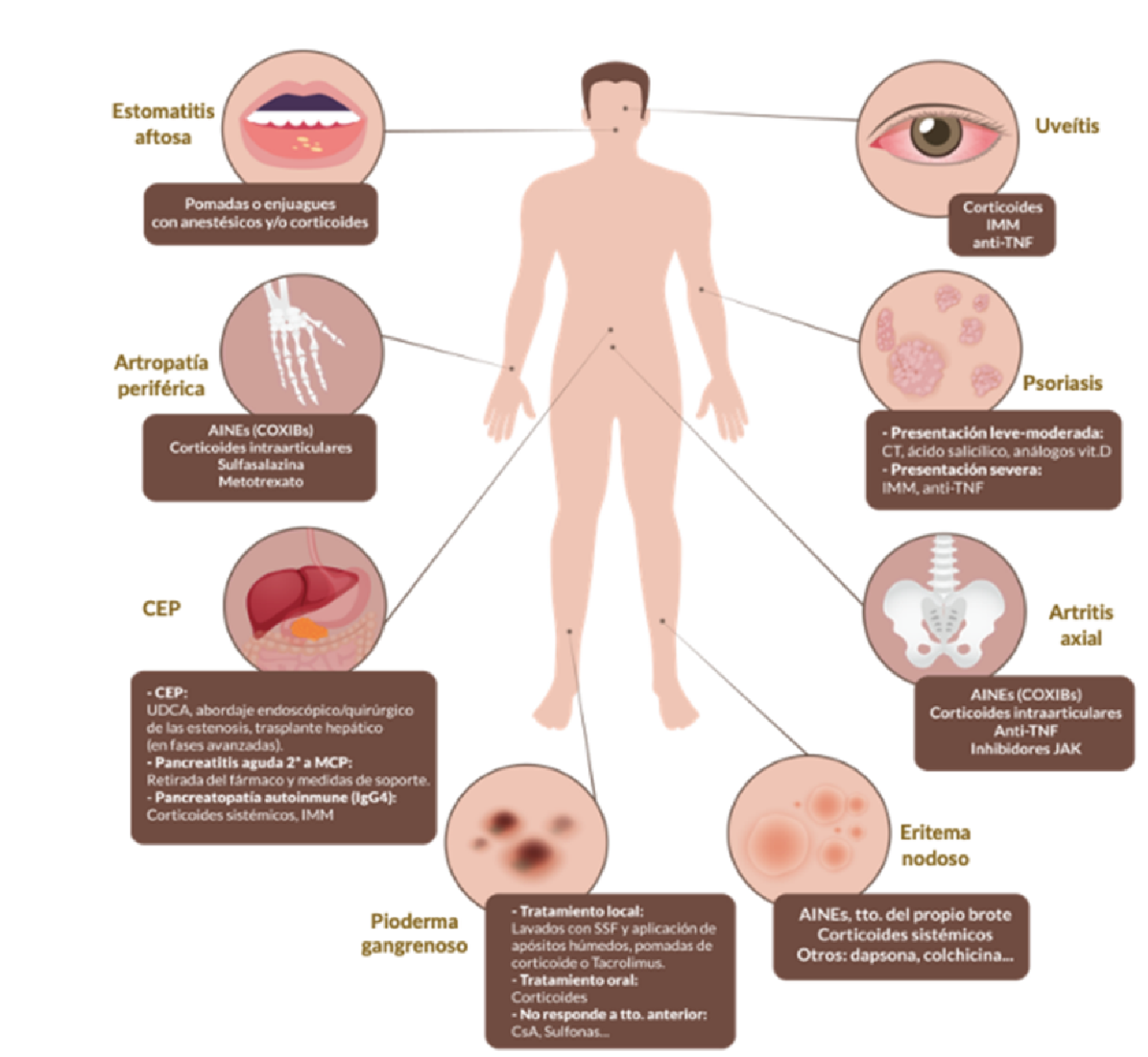
Sometimes these symptoms manifest themselves before IBD is diagnosed, even up to five months earlier in more than 10% of patients. This point is of utmost importance as dermatological and ocular manifestations are visible on inspection and can therefore alert the relevant specialist to the possibility that the patient may develop intestinal symptomatology early on and reduce diagnostic delay and treatment.
It has also been shown that the development of one EIM appears to increase the susceptibility to develop others.
The occurrence of EIM complicates the management of patients suffering from IBD and often requires a multidisciplinary approach, which is widely recommended by scientific societies
1 – Eye Manifestations

.
.
IBD can cause problems due to inflammation that affect the whole body, including the eyes.
In addition, stress, nervous system disorders or some medications (such as corticosteroids or immunosuppressants) can cause or worsen these eye problems.
They occur in less than 5% of IBD patients.
What eye diseases can occur?
- Uveitis:
- Inflammation of the middle inner part of the eye.
- Can cause pain, redness, sensitivity to light and loss of vision if left untreated.
- Episcleritis:
- Mild, superficial inflammation.
- Causes redness but no visual damage.
- Scleritis:
- Deeper and more painful inflammation that can affect eyesight.
- Dry eye syndrome:
- Lack of tears or rapid evaporation, leading to discomfort and burning.
- Keratopathy:
- Affects the cornea.
- Can cause blurred vision and eye pain.
To prevent these symptoms from occurring or, if they do, to minimize their impact, we should have regular eye check-ups, look out for redness, pain and blurred vision, manage stress and take care of our gut, take supplements such as curcumin and seek help if symptoms occur.
2 – Skin Manifestations

Skin manifestations are quite common in people with IBD, appearing in 13-14% of patients throughout the course of the disease.
Although they are more common in people with ulcerative colitis or Crohn’s disease, the lesions vary depending on the type of diagnosis.
There are several types of skin lesions in IBD:
- Those directly associated with IBD: Related to chronic inflammation, typical in Crohn’s disease, e.g. erythema nodosum or cutaneous Crohn’s disease.
- Lesions due to immune dysfunction: occur when the immune system is disturbed: Psoriasis or vitiligo.
- Lesions secondary to treatment or malnutrition: acne, stretch marks, eczema or increased risk of skin cancer.
The main dermatological manifestations are:
- Erythema nodosum:
- This is the most common, affecting approximately 4% of patients, mainly young women with Crohn’s disease.
- These are painful red-violaceous nodules on the legs (thighs, ankles and legs).
- They improve with IBD treatment.
- Pyoderma gangrenosum:
- More common in patients with ulcerative colitis, starting as a pustule and developing into a painful ulcer.
- Usually appears on the abdomen, thorax and/or legs, arms.
- It may appear after a trauma or surgery.
- Requires local treatment and intake of corticoids or immunosuppressants.
- Psoriasis:
- Affects 7-11% of IBD patients, as it is genetically related to IBD, especially in CD.
- They share genetic factors, chronic inflammation and alterations in the intestinal microbiota.
- Some treatments for IBD can cause psoriasis.
- Aphthous stomatitis:
- These are painful ulcers in the mouth, very common in patients with any IBD.
- They improve with control of intestinal inflammation.
- Some treatments for IBD can cause psoriasis.
- Concomitant vasculitis:
- inflammation of blood vessels that may manifest on the skin as red-violaceous lesions of variable size and are usually not painful.
- It can develop into a more serious condition if left untreated, and patients with this condition should seek prompt medical or emergency care.
- Sweet’s syndrome (SS)
- sudden onset of red or purplish bumps on the body, accompanied by fever, headache, joint pain and fatigue.
- usually follows symptoms of intestinal inflammation in IBD, (if the patient experiences a flare-up, SS bumps may begin to appear on the skin).
3 – Osteoarticular Manifestations

Joint manifestations are the most common in people with IBD, with an incidence in people with IBD of 30-35%.
Exercises such as Pilates, yoga, swimming or passive stretching are recommended to prevent them or improve their symptoms, as well as taking certain anti-inflammatory drugs such as COX-2 inhibitors.
- Peripheral arthritis:
- It is the most common, affecting approximately 1 in 4 patients (20-25%), mainly women.
- Painful inflammation of the joints, mainly in the knees, wrists, elbows and fingers.
- Ankylosing spondylitis:
- More common in men
- Affects the spine.
- Manifests itself with low back pain and morning stiffness.
- Sacroiliitis:
- It is also very common (14%)
- Inflammation of the sacroiliac joint (pelvis)
- Presents with pain in the lower back and radiates to the upper thigh.
- Osteoporosis:
- Very common, affecting 30-50% of patients.
- Corresponds to a loss of bone mass
- Risk factors may be: advanced age, family history, medication such as corticoids, or habits such as smoking or alcohol.
4 – Other IBD- associated diseases
Neurological manifestations
- chronic headaches.
- severe fatigue.
- peripheral neuropathies.
Hepatic and biliary complications
- Primary sclerosing cholangitis: chronic inflammation of the bile ducts.
- Fatty liver disease.
- Autoimmune hepatitis.
Cardiovascular and respiratory manifestations
- Increased risk of deep vein thrombosis and pulmonary embolism.
- Increased risk of cardiac disease in severe cases.
Nutritional complications
- Neurological manifestations
- chronic headaches.
- severe fatigue.
- peripheral neuropathies.
- Hepatic and biliary complications
- Primary sclerosing cholangitis: chronic inflammation of the bile ducts.
- Fatty liver disease.
- Autoimmune hepatitis.
- Cardiovascular and respiratory manifestations
- Increased risk of deep vein thrombosis and pulmonary embolism.
- Increased risk of cardiac disease in severe cases.
- Nutritional complications
- Anaemia: due to lack of iron, vitamin B12 or folic acid.
- Vitamin D, calcium or zinc deficiencies.
- Weight loss or malnutrition.
- Vitamin D, calcium or zinc deficiencies.
- Weight loss or malnutrition.
1.-Hernández, V., & López-Sanromán, A. (2019). Manifestaciones extraintestinales de la enfermedad inflamatoria intestinal. Revista Médica Clínica Las Condes, 30(6), 571–580. https://doi.org/10.1016/j.rmclc.2019.06.005
2.-EducaInflamatoria. (s.f.). Manifestaciones extraintestinales. EducaInflamatoria.com. Recuperado de https://educainflamatoria.com/category/manifestaciones-extraintestinales/
3.- Grupo Español de Trabajo en Enfermedad de Crohn y Colitis Ulcerosa (GETECCU). (s.f.). Otras enfermedades en la colitis ulcerosa. Recuperado de https://geteccu.org/contenidos/up/2015/07/Otras-enfermedades-CU.pdf
KontaktWeitere Informationen
Kontakt